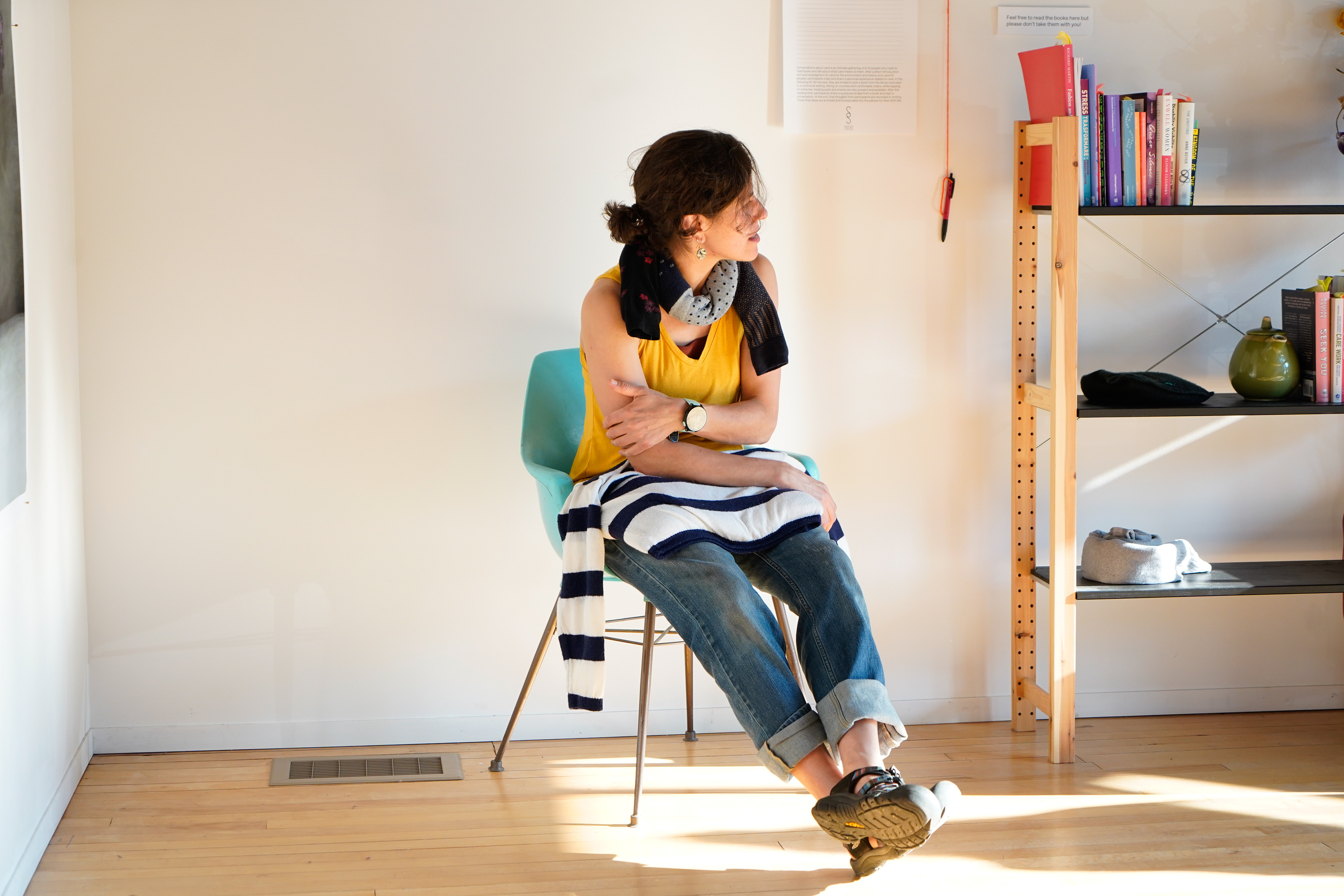
Less is Enough
Solo exhibition, May - June, 2023. Second Shift Studio, St. Paul, MN
Less is Enough is a solo exhibition of artworks created during the year-long residency at Second Shift Studio. Through a multidisciplinary approach to art making, I explore chronic illness, care, and softness from an individual and communal point of view.
Living with chronic pain is a multilayered experience that impacts one's sense of identity and requires a holistic approach for healing. The variety of media and processes - from digital photographs to interactive soft sculptures, and from community events to a mixed media installation - speaks to these layers.
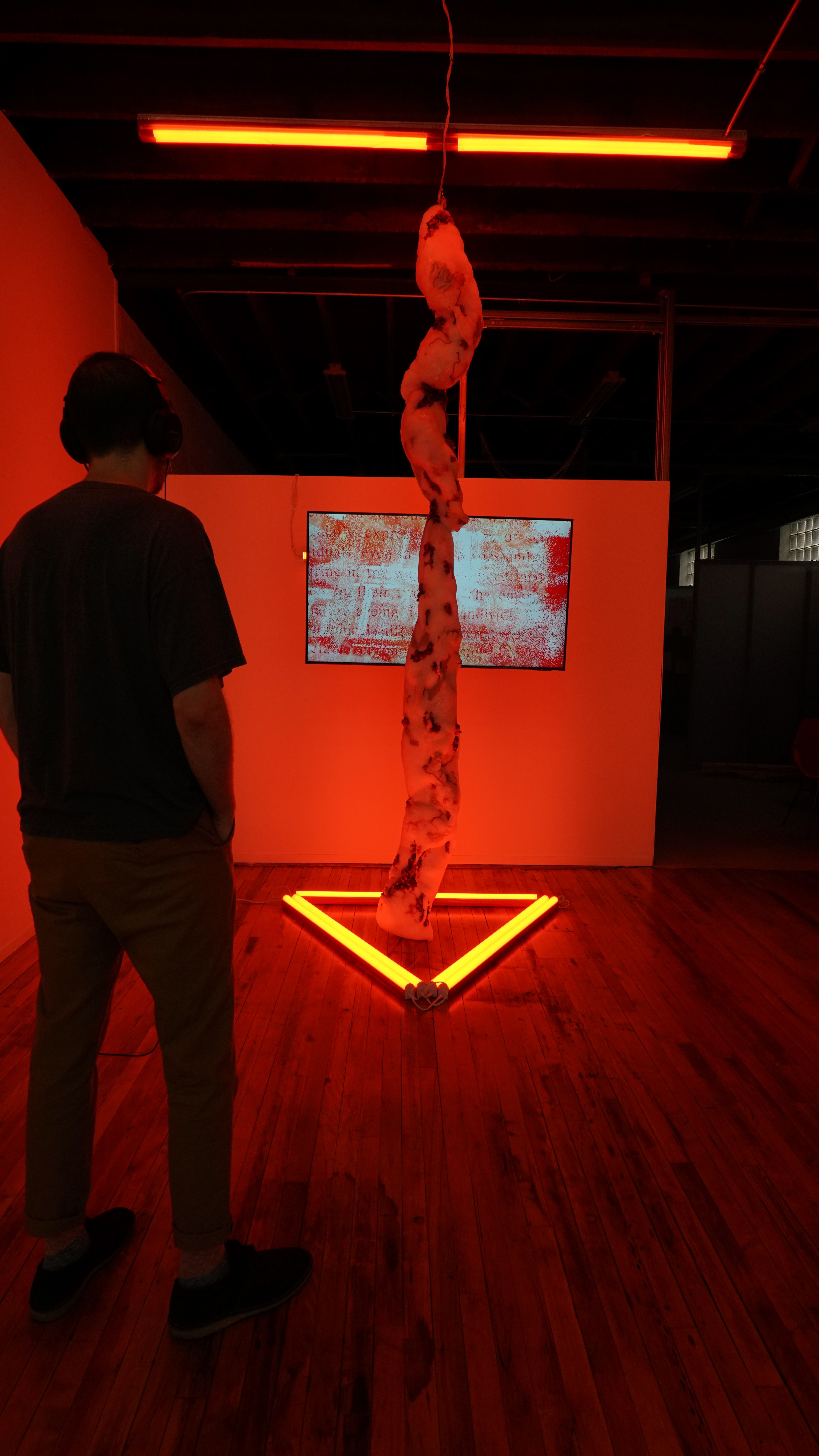
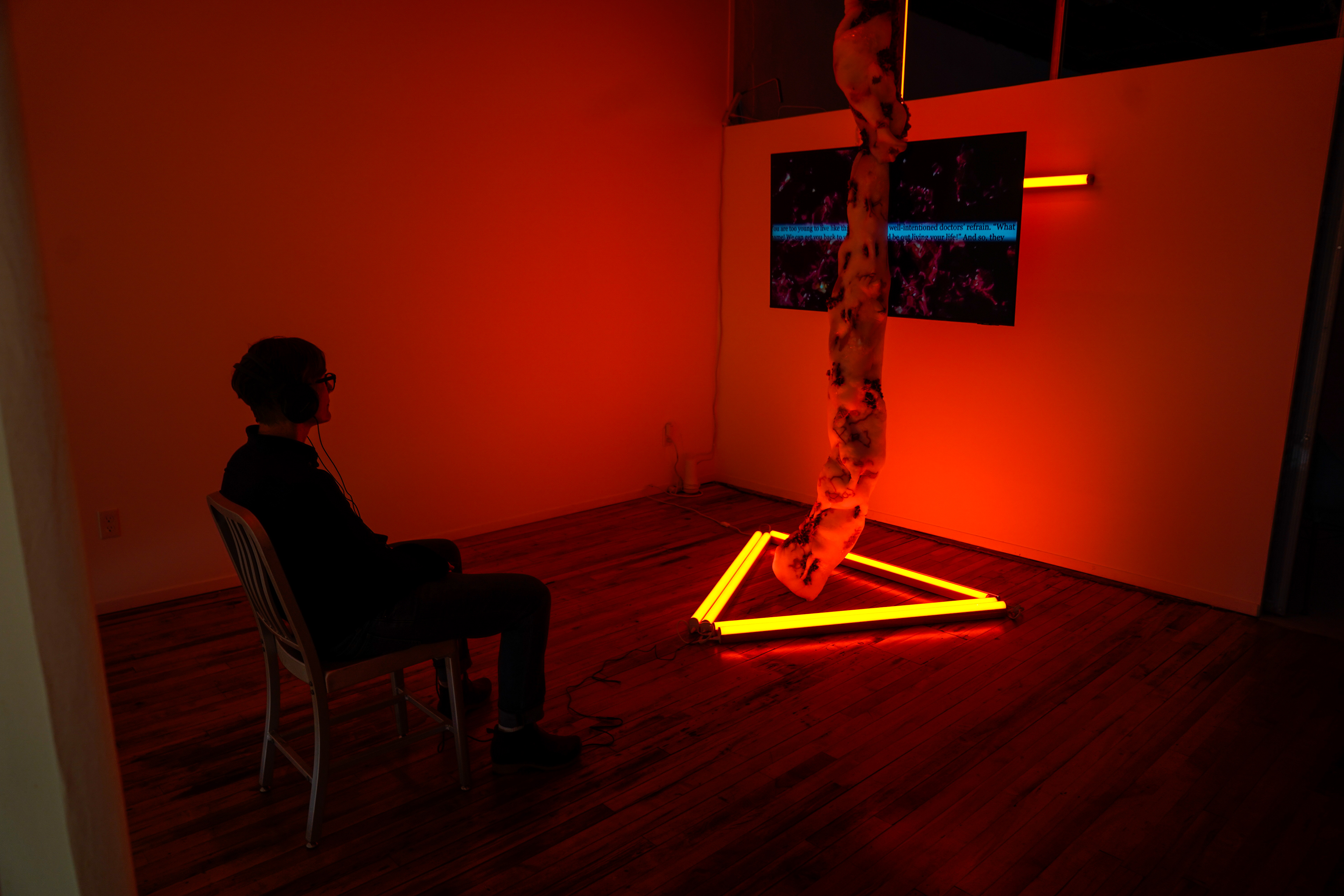
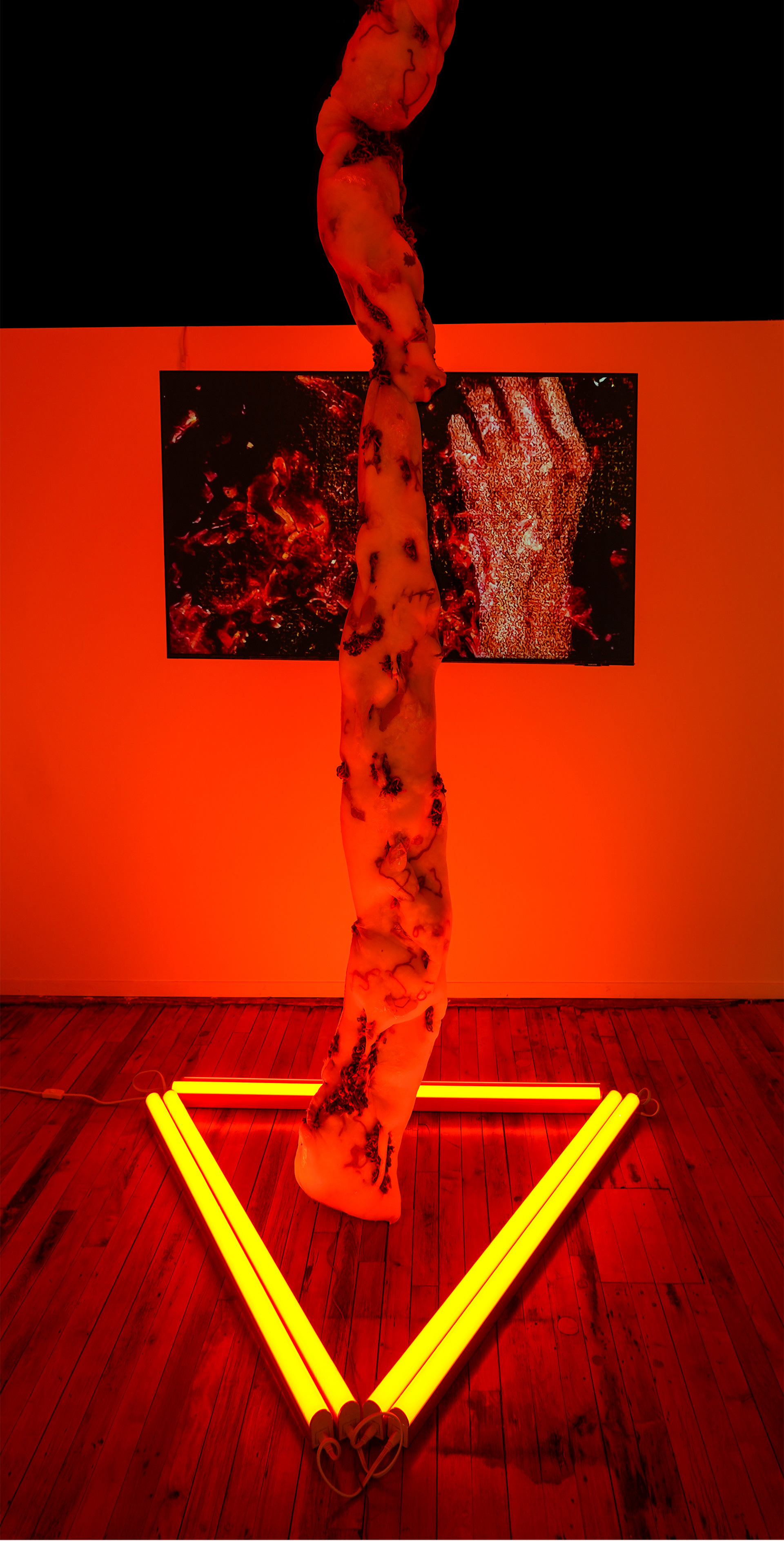
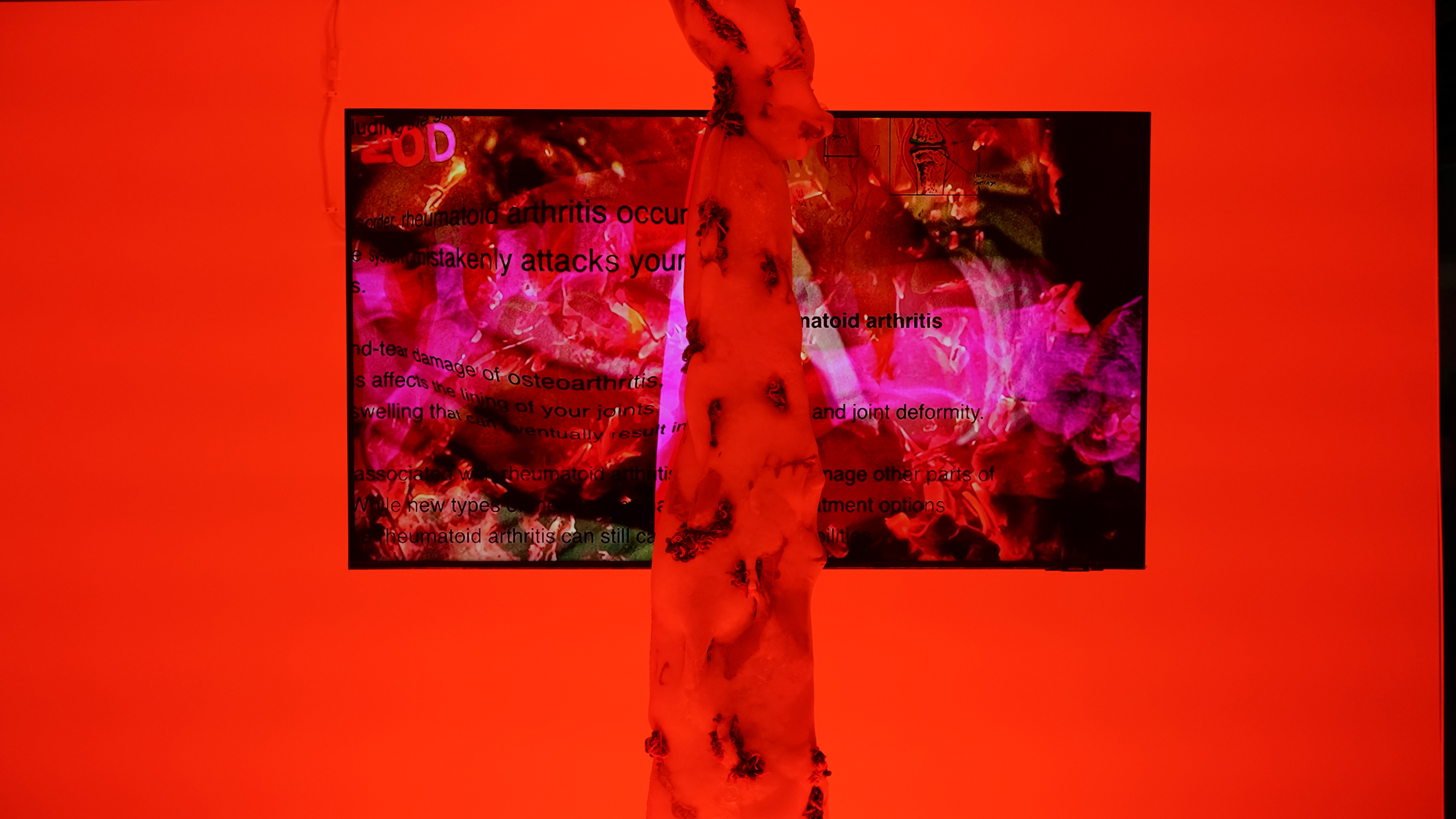
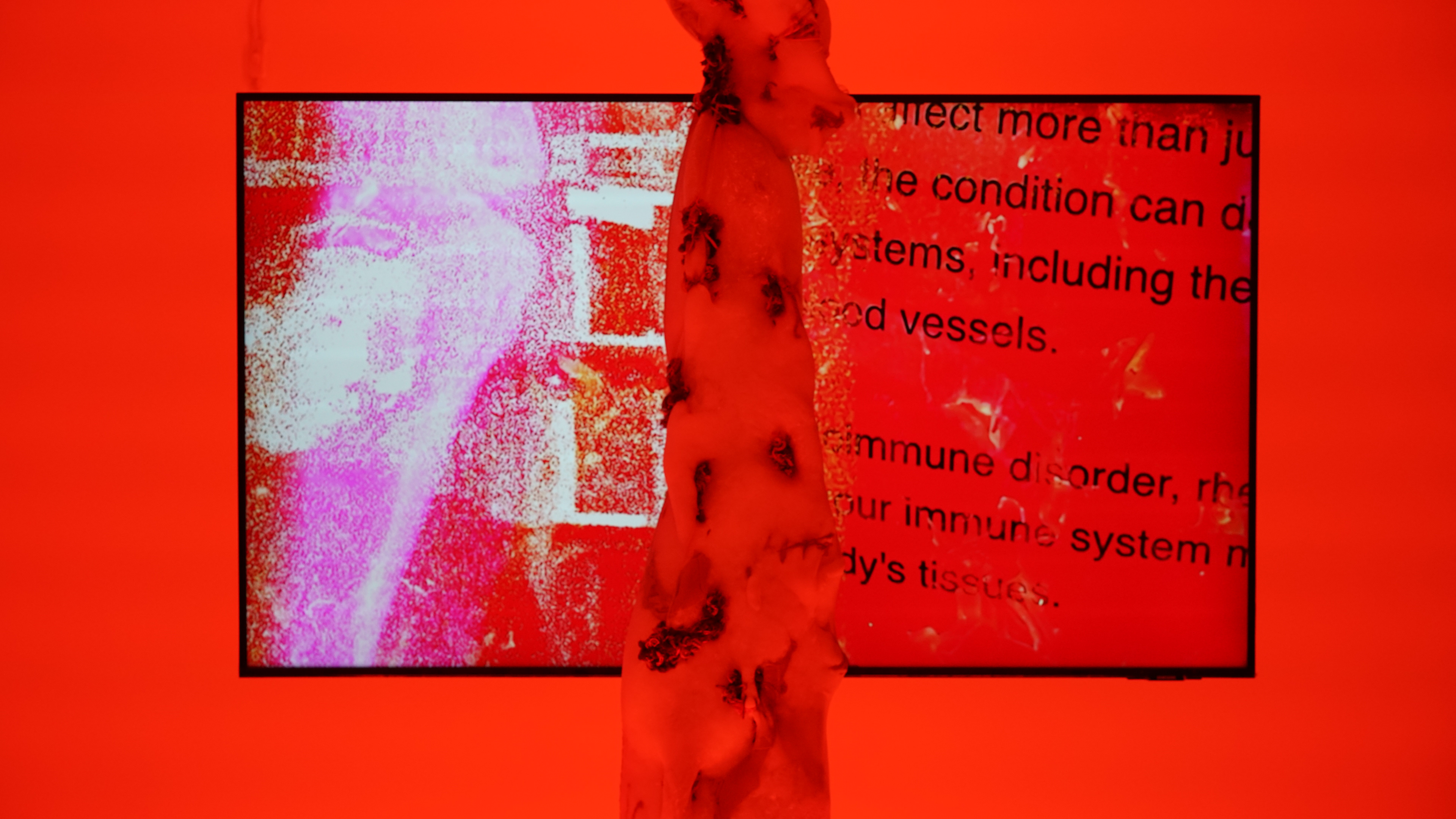
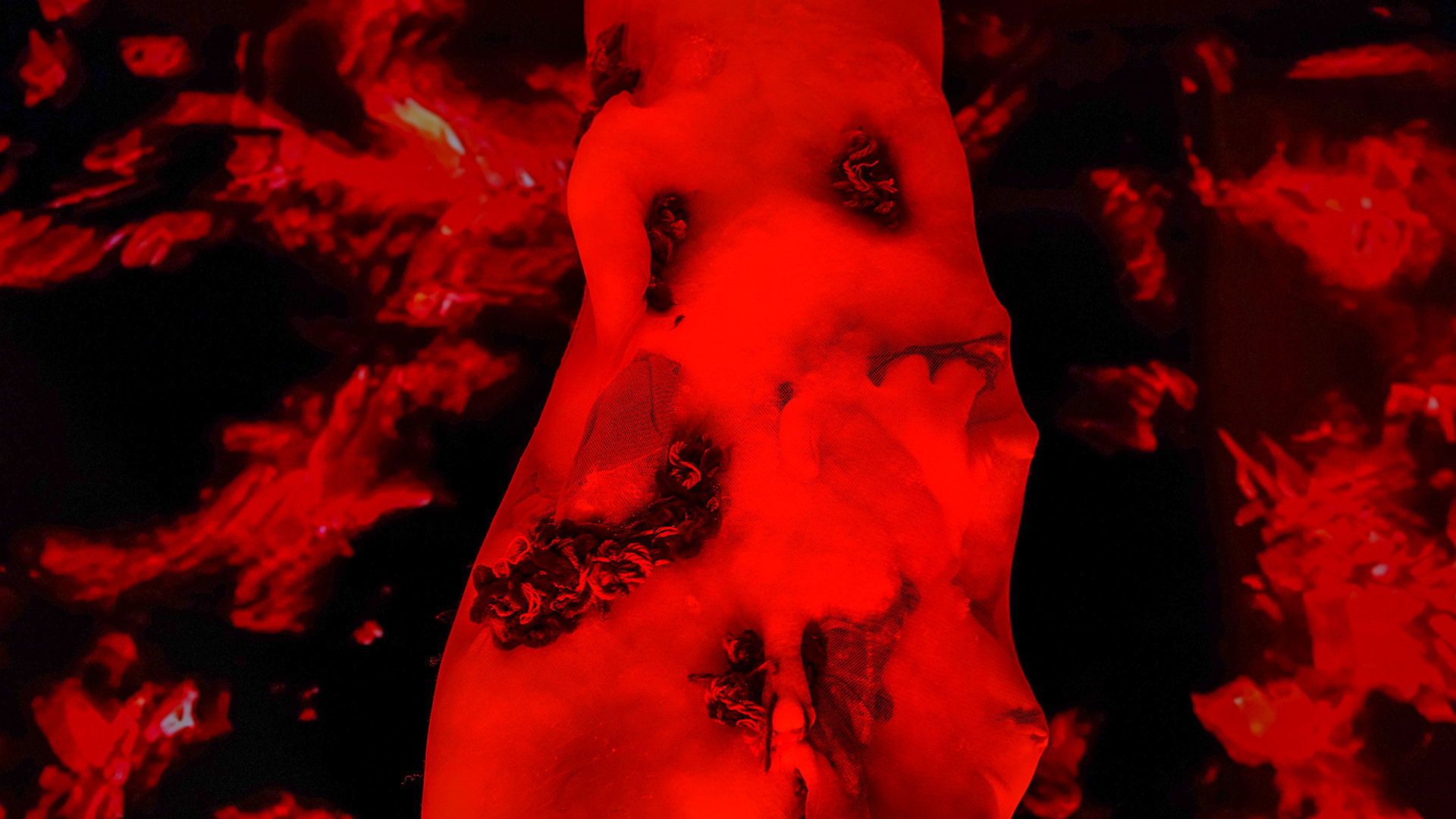
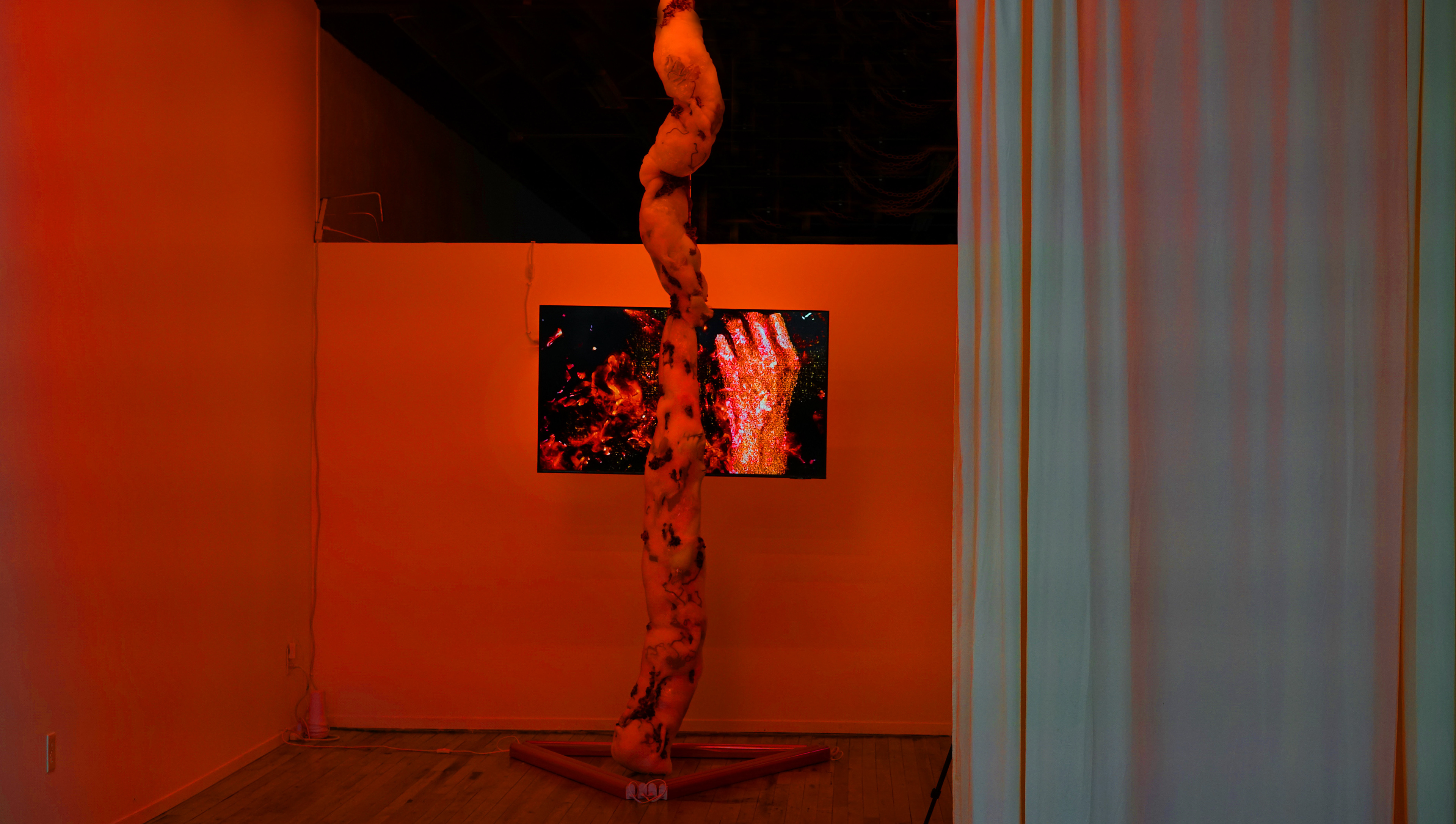
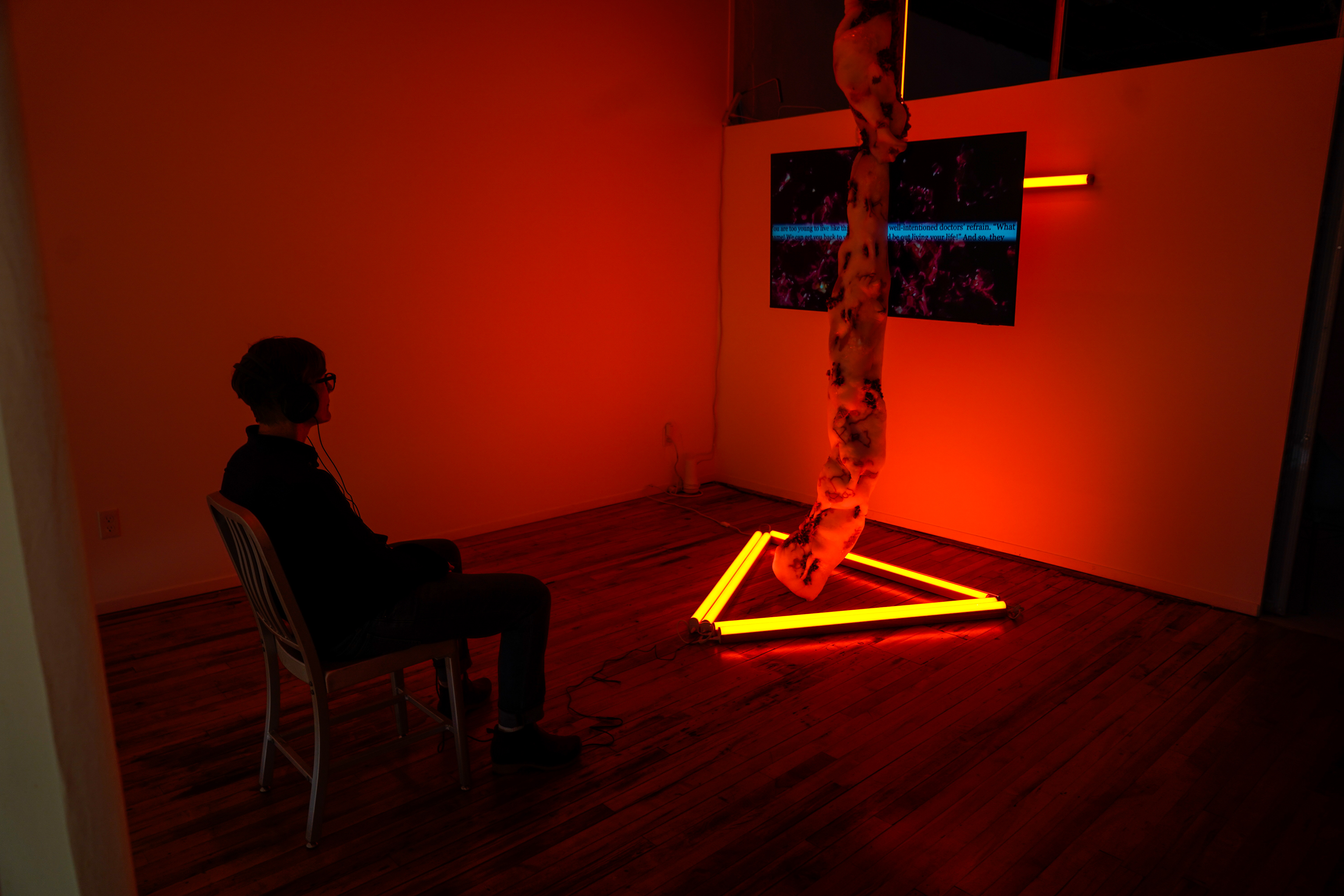
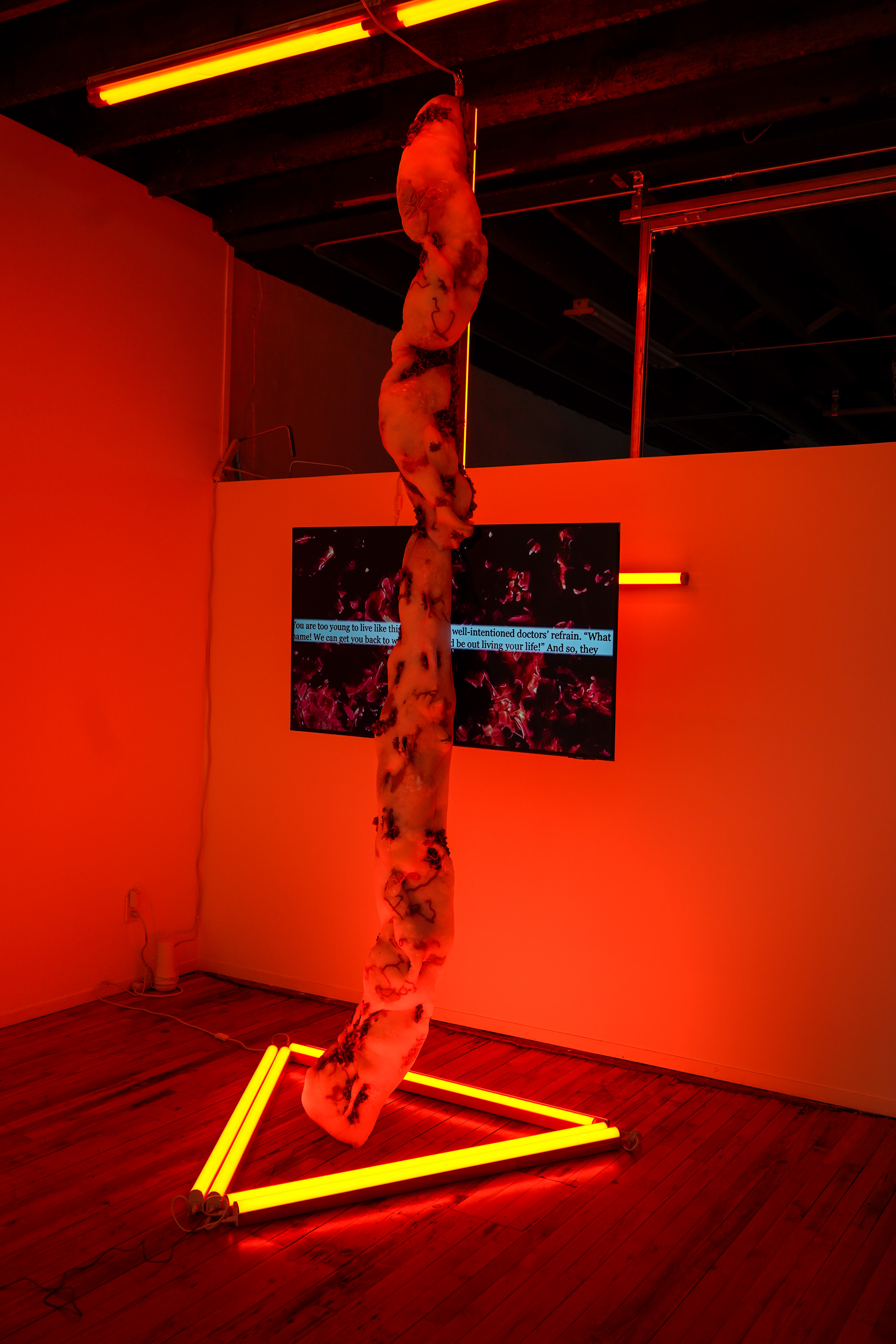
Self-portrait with flare uses fabric, lights, plastic and video to represent the red, burning swell of my body during a flare. In mainstream western culture, pain is commonly scrutinized through the lens of science and data collection, or extractively reported though a tokenizing gaze to evoke empathy from the “not-sick”. By rejecting such ways of looking at the body, I appropriated medical imagery and writing to reconcile myself to biographical disruption, while practicing other healing strategies such as self-representation and community building.
While Society teaches us that illness is a naturally isolating event and not suited for public conversations, I believe that shared knowledge and healing can strengthen individuals and networks and reconcile ill with well. Inspired by the words of activists, crips and queers, during the residency I prioritized self-care, intentionality and responsiveness. I started unlearning colonial/patriarchal myths of productivity and spectacle, and developed a more sustainable approach to making. Projects like the community events Conversations about care, or the soft sculptures Rest with me, reflect this journey: they create opportunities for learning, interacting, and finding one's place within the disability discourse.
The title for this exhibition is a play on the modernist design concept “Less is More” and reframes it within the context of disability justice, healing practices and anti-capitalism. Instead of striving for seemingly-effortless perfection and abstraction, Less is Enough embraces the unknown process, gesture and immediacy.
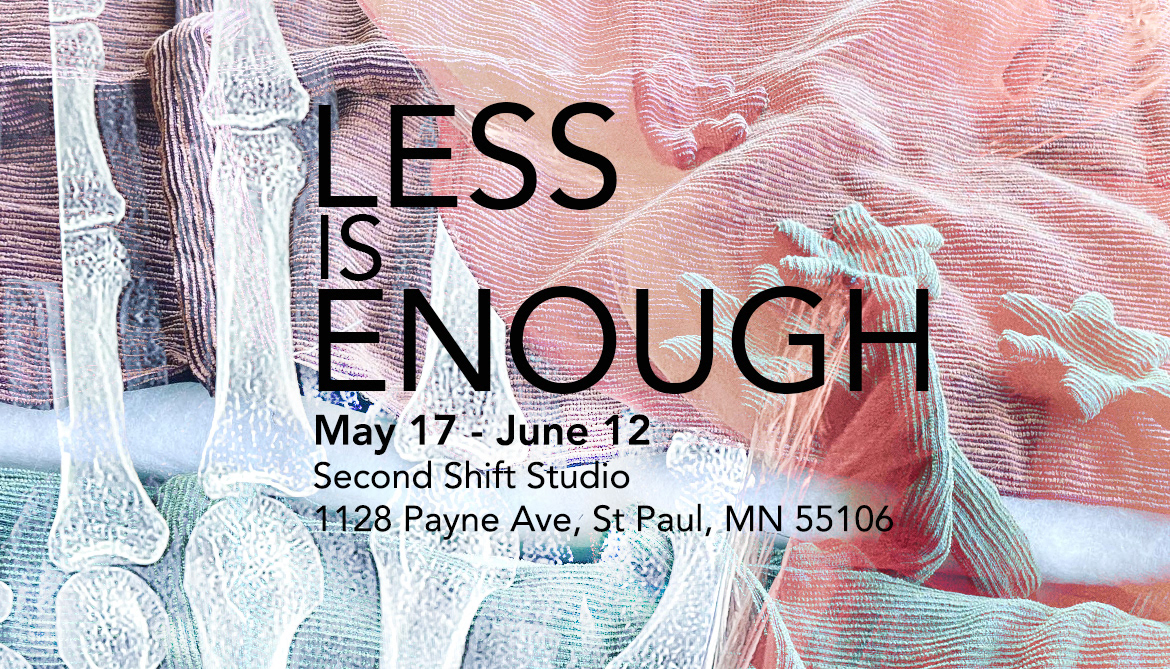
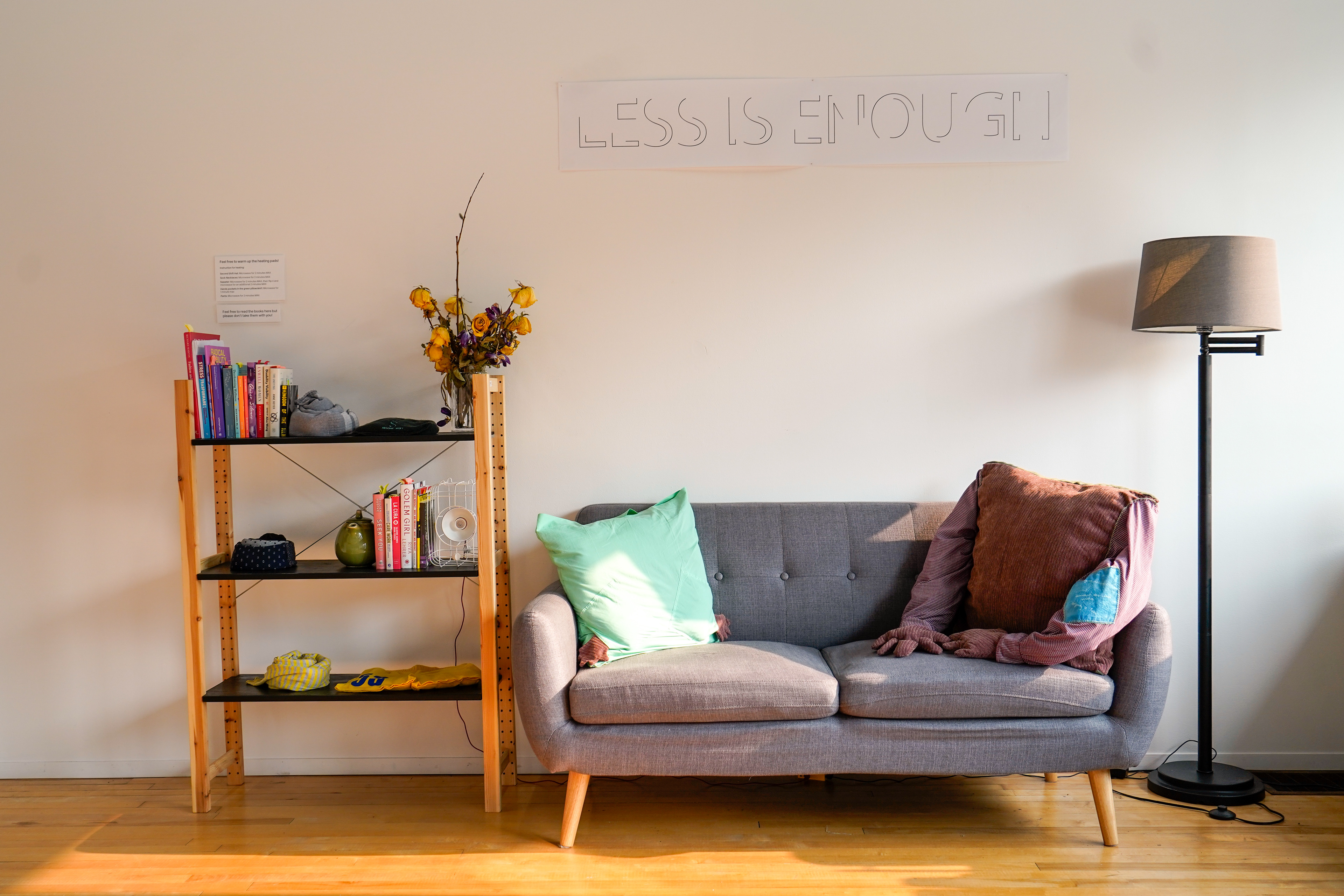
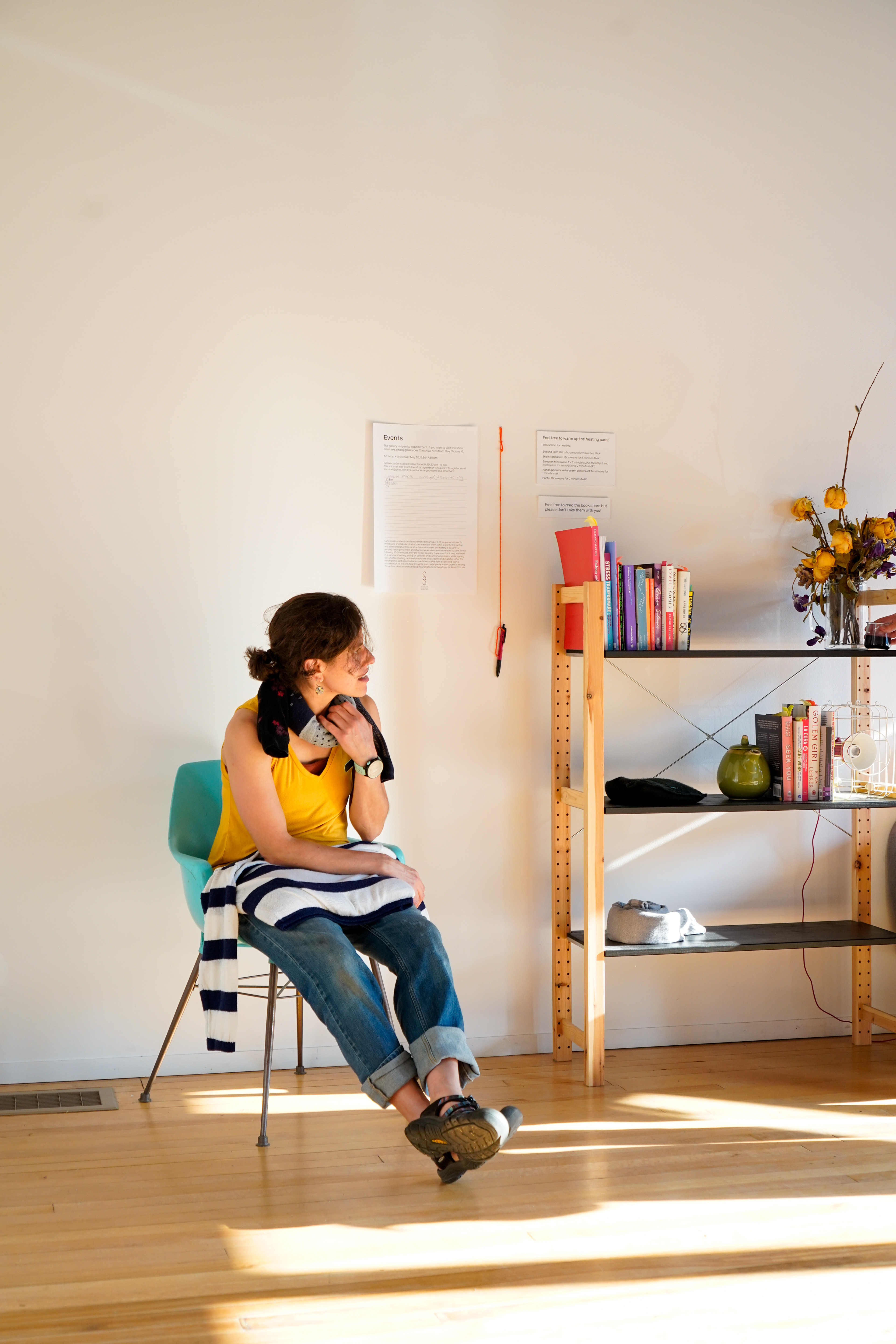
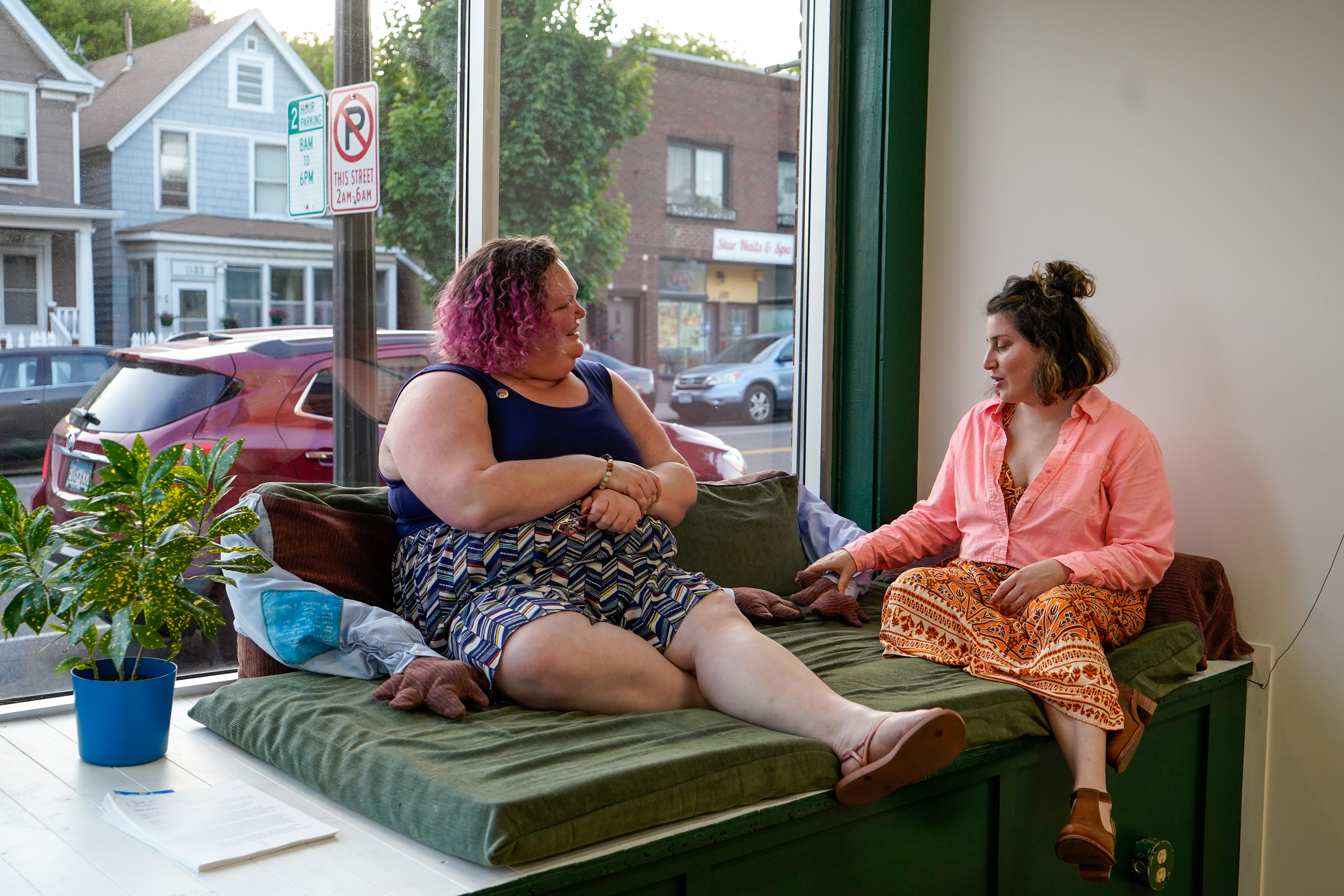
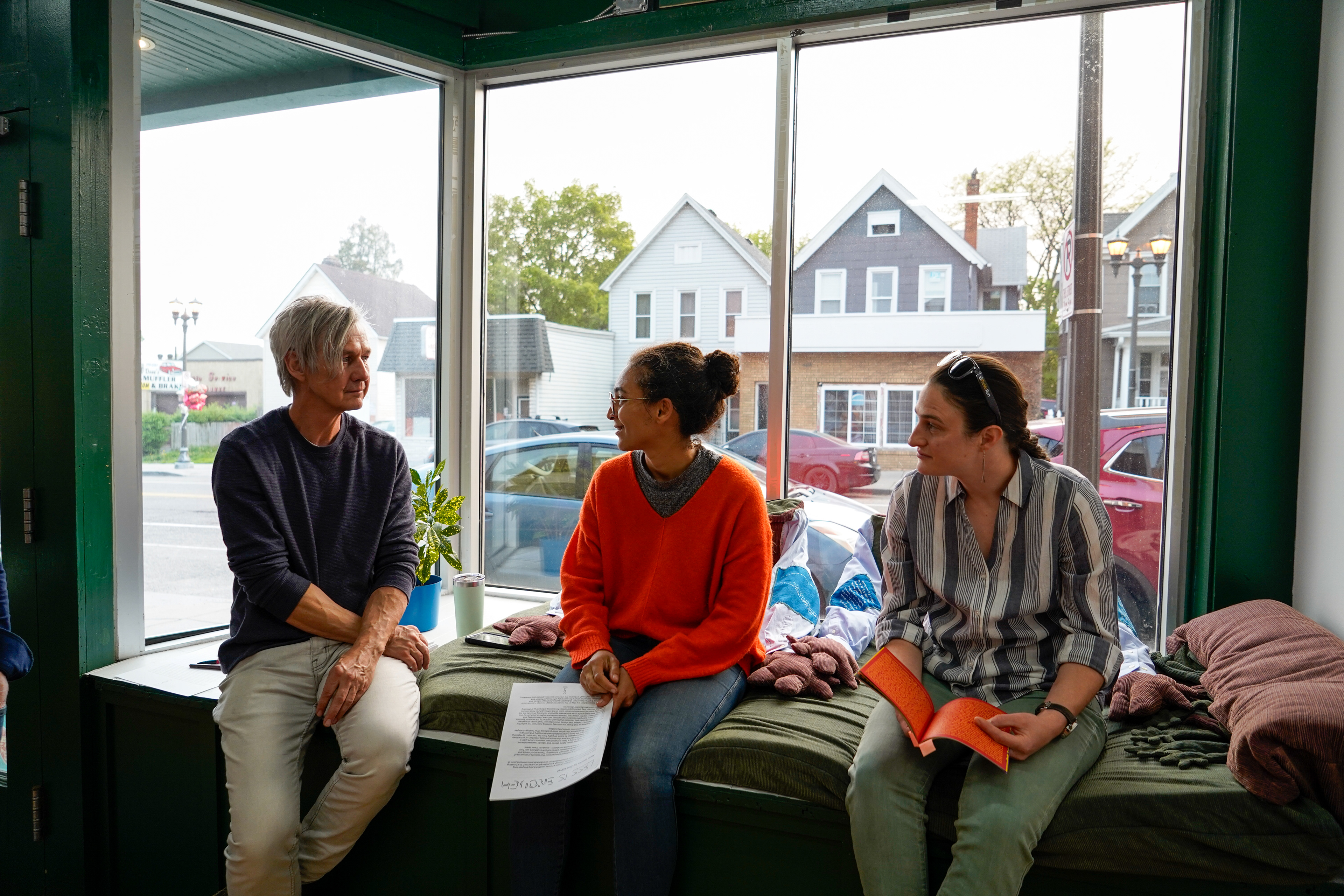
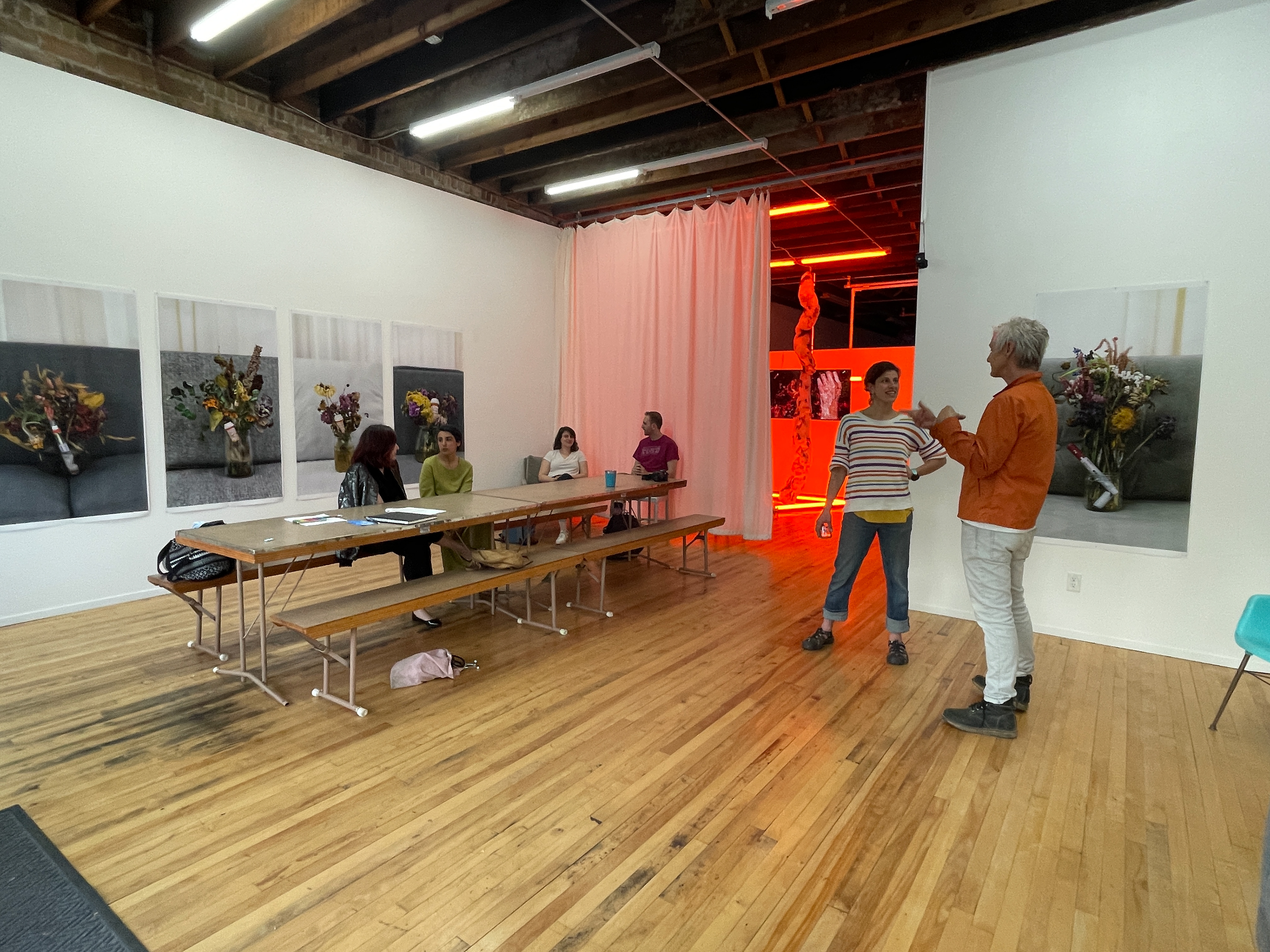
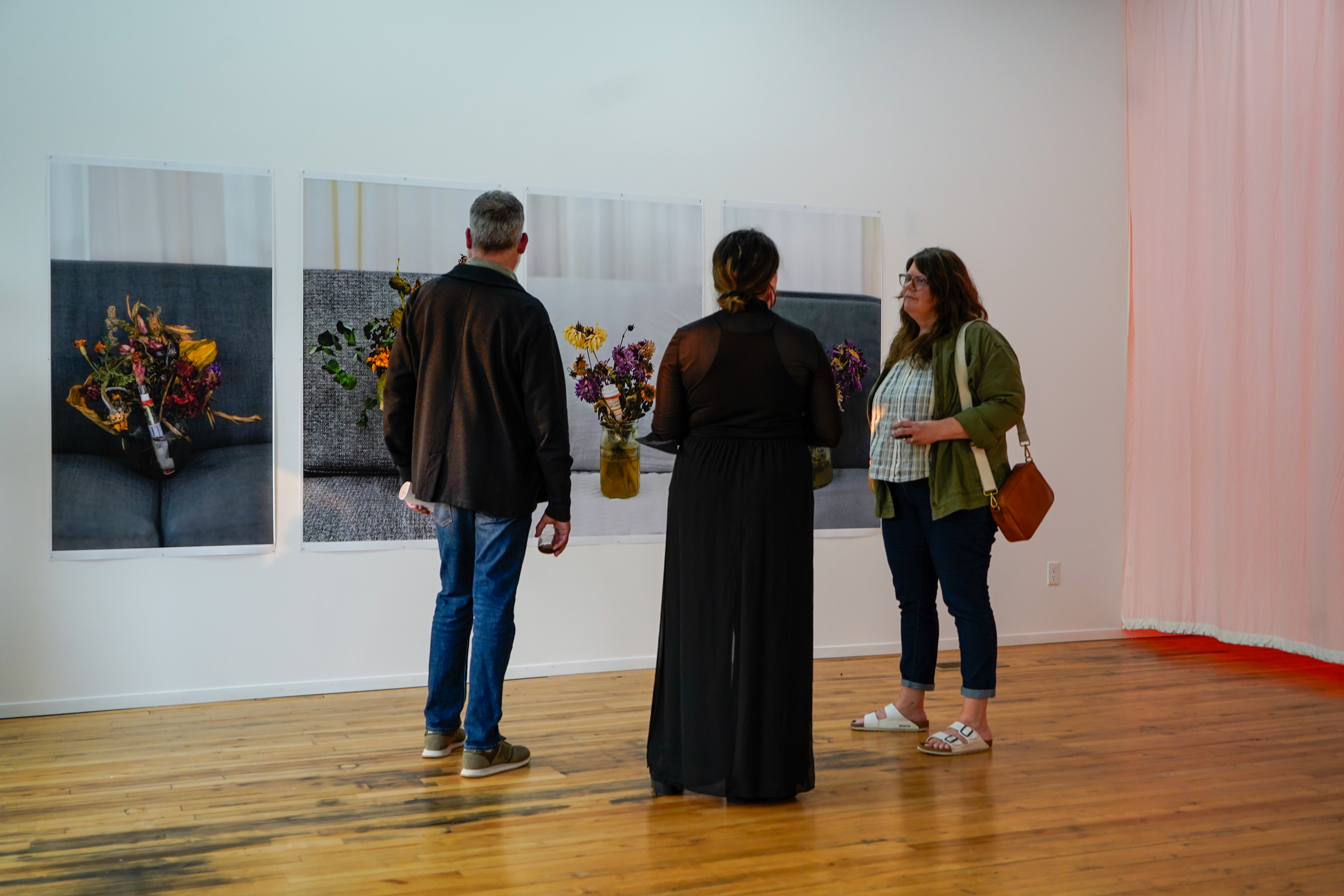
Documentation by Zoe Cinel and Emily Dzieweczynski
Self-portrait with flare, 2023
Monitor, video, tulle fabric, pillow stuffing, plastic, yarn, velvet, glitter glue, two mannequin arms, chain.
“Chronic illness involves a recognition of the worlds of pain and suffering, possibly even of death, which are normally only seen as distant possibilities or the plight of others (..) the expectations and plans that individuals hold for the future have to be re-examined. Thus, I want to maintain that the development of a chronic illness like rheumatoid arthritis is most usefully regarded as a 'critical situation', a form of biographical disruption”. Michael Bury, "Chronic illness as biographical disruption. Sociology of Health & Illness", 1982.
2020 was a traumatic time for us all. I associate it with the pandemic, with the uprising in the Twin Cities and with feeling my body exploding and rotting from the inside. That summer, at age 28, I was diagnosed with RA (Rheumatoid Arthritis). RA is an autoimmune disease that causes joints to become red, swollen, hot, and painful. It manifests primarily in hands, feet, knees, and shoulders and if untreated, it causes deformations along with organ damage. RA also carries invisible yet taxing conditions like chronic fatigue, sleep disorders and depression. Because RA is associated with older age, for years I was misdiagnosed by doctors who suggested I just need to switch to “more comfortable shoes” or to just get better sleep. When my body became so inflamed that I could barely walk, or fit in any kind of shoes, and I had to apply ice packs to my joints just to get a few hours of sleep, a doctor finally ordered lab tests that confirmed what was guessable from a google diagnosis. To this day, I am still processing the frustration towards my body for getting irreparably sick, and the anger towards a medical system that dismissed my symptoms for years.
Researcher Alessandro Delfanti, A. and artist Salvatore Iaconesi speak on Iaconesi’s journey as a patient in “Open Source Cancer. Brain Scans and the Rituality of Biodigital Data Sharing”: “When you have cancer you disappear, only to be replaced by something else: a patient. This is a strange being, on the one hand, entirely made of data: blood exams, images of body parts, lab values, diagnoses—the list goes on. But, on the other hand, this data is not simply you: it barely approximates the full complexity of selfhood”. Since the diagnosis, the medical apparatus has started a collection of scans of my body. I can’t “properly” read these images and I don’t speak the scientific language in my blood tests’ results. Nevertheless the data says something about my illness and perhaps about ancestry and legacy.
To reconcile the scrutiny and to stare back at the medical gaze, I have started using these images in my artworks. My favorite is an X-Ray of my hands made in 2020 to verify damage on the bone structure given by RA. The scan is high quality and extremely expensive. It’s meaningful to me because the hands and feet are the sites where RA went public on my body, which otherwise looked fine to people around me.
RA is autoimmune, incurable and commonly associated with aging. In “Chronic illness as biographical disruption. Sociology of Health & Illness” researcher Michael Bury interviewed (mostly) young women who were just diagnosed with RA and observed their reactions of shock, anxiety and disbelief because their age “contrasted sharply with the common cultural paradigm of the disease”. When I was diagnosed my whole sense of self was shaken: I was not even 30 and I could fluently talk meds, flares and remedies with friends who were over 60. But I couldn’t talk about miles-long hikes, hangovers and all-night parties with my peers. That’s because I couldn’t do these things anymore. My body would make me pay every single bit of yolo excess with excruciating fatigue and pain. So now I drink nettle tea, I go to bed at 10pm and I cherish comfort over excitement. When I have spoons I am grateful, I feel happy and I use them wisely (or I try). It’s been difficult and infuriating to keep up with a world made for bodies that have a lot of energy and I am still figuring out how to escape this trap without isolating myself: how to be honest and intentional in my connections, how much do I share about my illness when I need to request accommodations? How do I draw firm lines with softness? Despite all of this, I cherish the learning and unlearning that illness has brought to me. It has brought awareness that I am a dot in the history of unwell marginalized individuals.
I remember the hands of my maternal grandmother caressing my face as a kid. It was familiar and uncomfortable: her fingers were frozen into a claw, bones sticking out of each joint, hard like marbles. She could grab but never open up. Linda was a teenager during the Second World World when she lost a brother to the nazis: her family lived on the Gothic Line, a military border that lasted throughout the entirety of the war. She married a partisan, an anti-nazi hero, and ended up raising two children as a widow when he died of cancer. She could make beautiful bags that she sold for cheap to fancy tourist shops in Florence. I often think about her life and I wonder if this illness that has traveled through generations has something to do with the trauma of growing up in a war zone. If - as Susan Sontag states - “illness is a metaphor”, RA is an illness of battlefields, chaos and overlapping narratives. I think of all the pain she endured while her hands crunched into their form and of my privileged, but taxing, access to chemicals that keep mine straight.
Special thanks to Lake for the many weekends spent shopping, engineering and scheming with me, to Gretchen Gasterland Gustaffson, Sarah Giffen-Hunter and Alanna Stapleton for sewing with me.
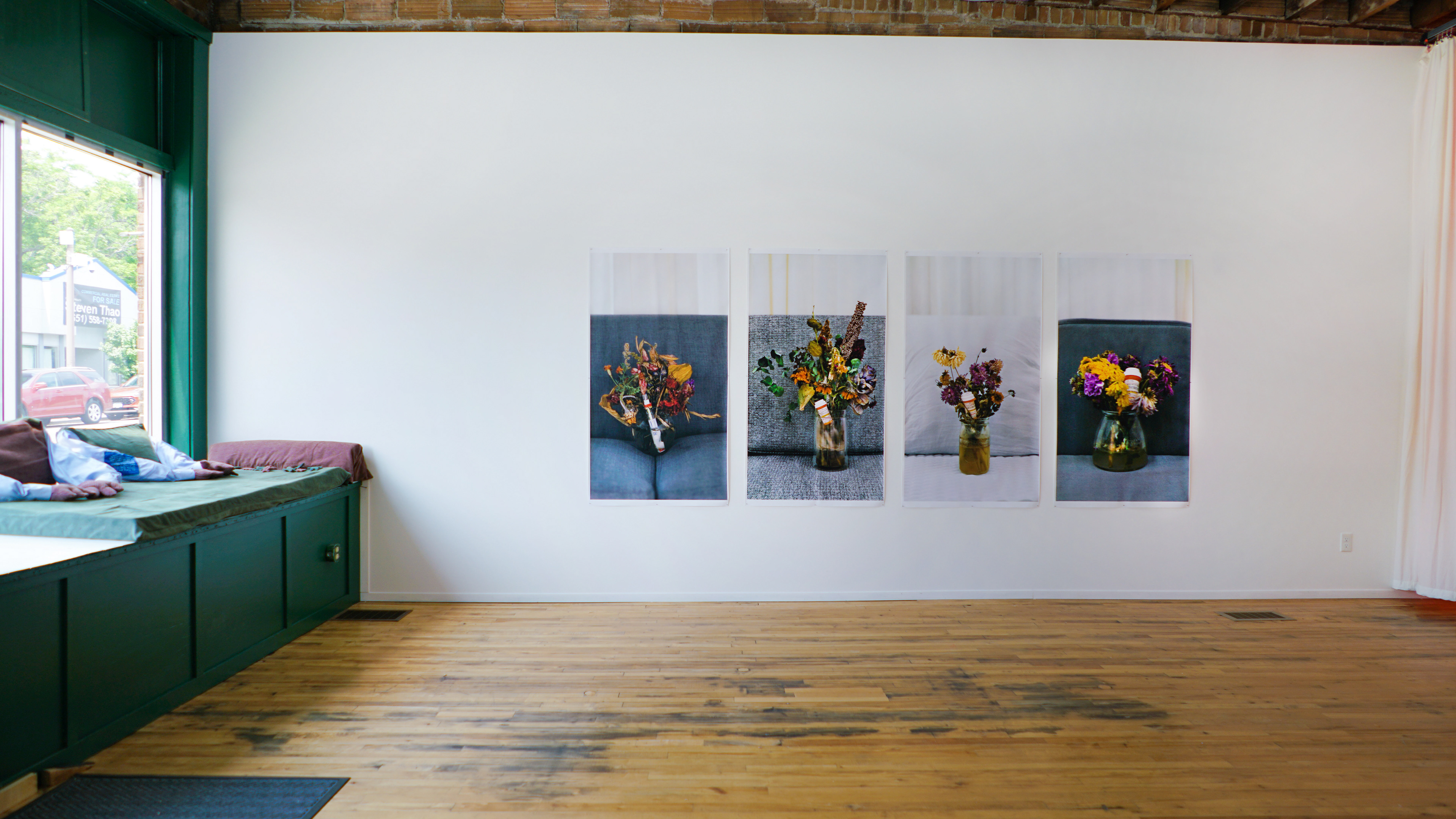
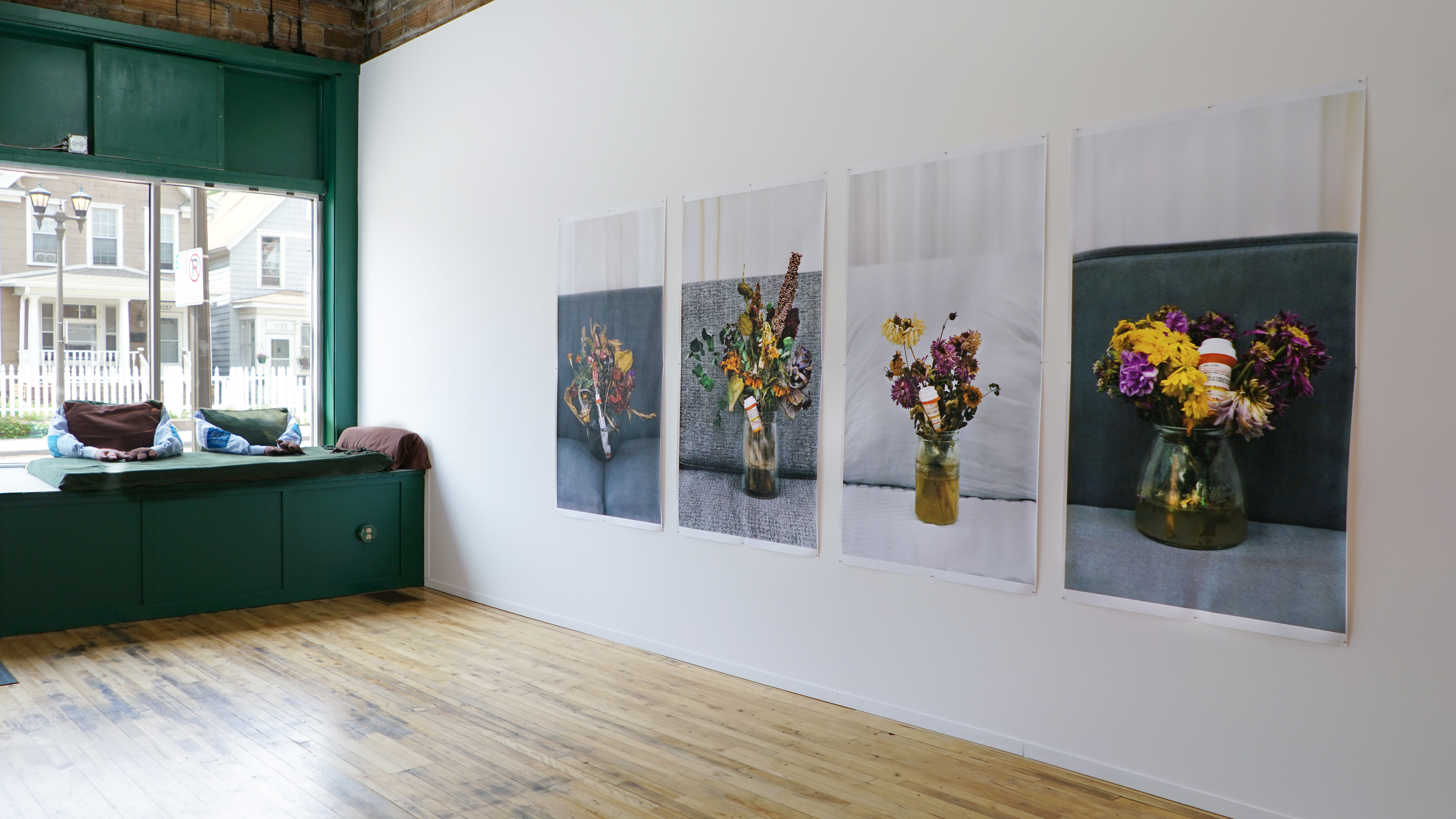
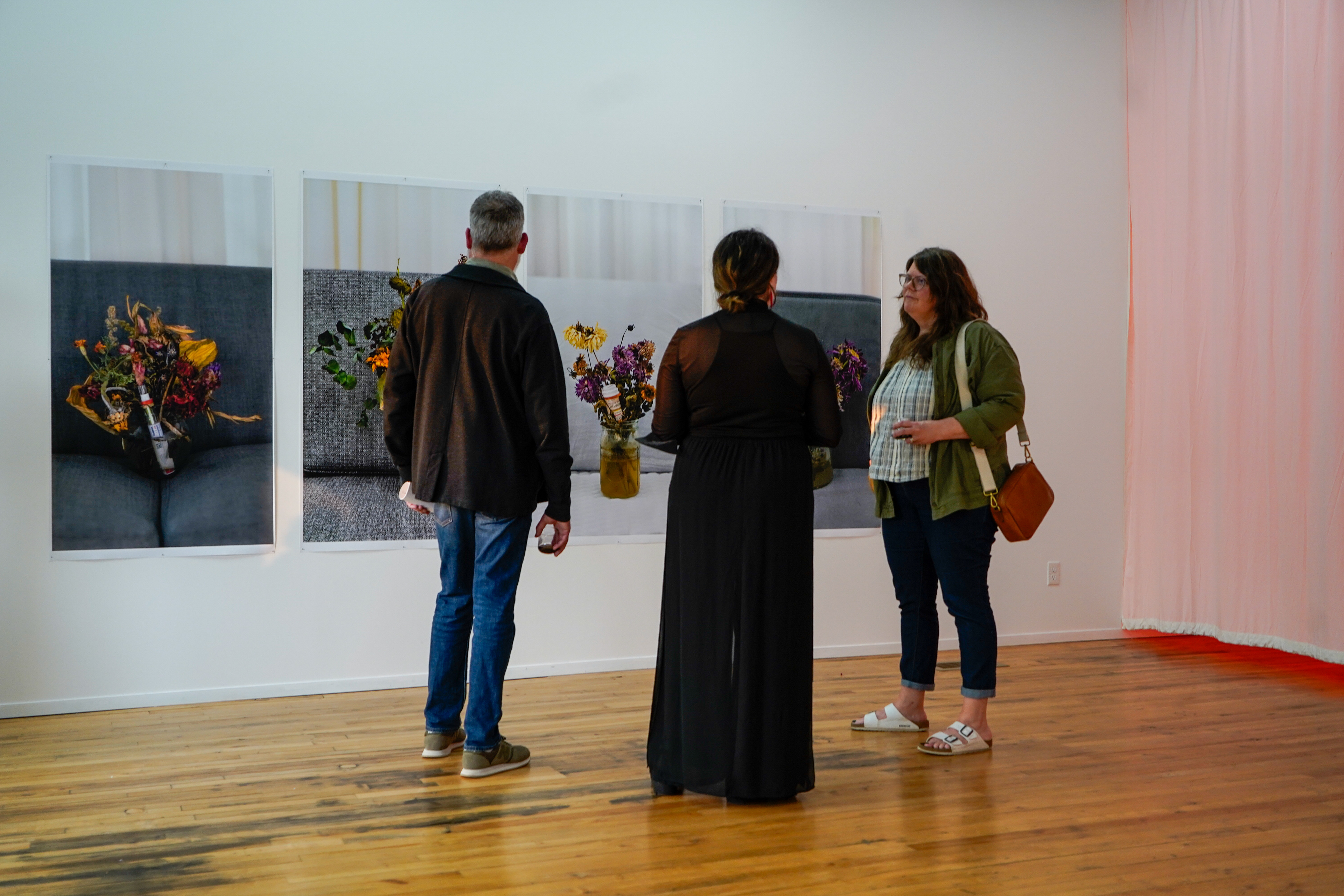
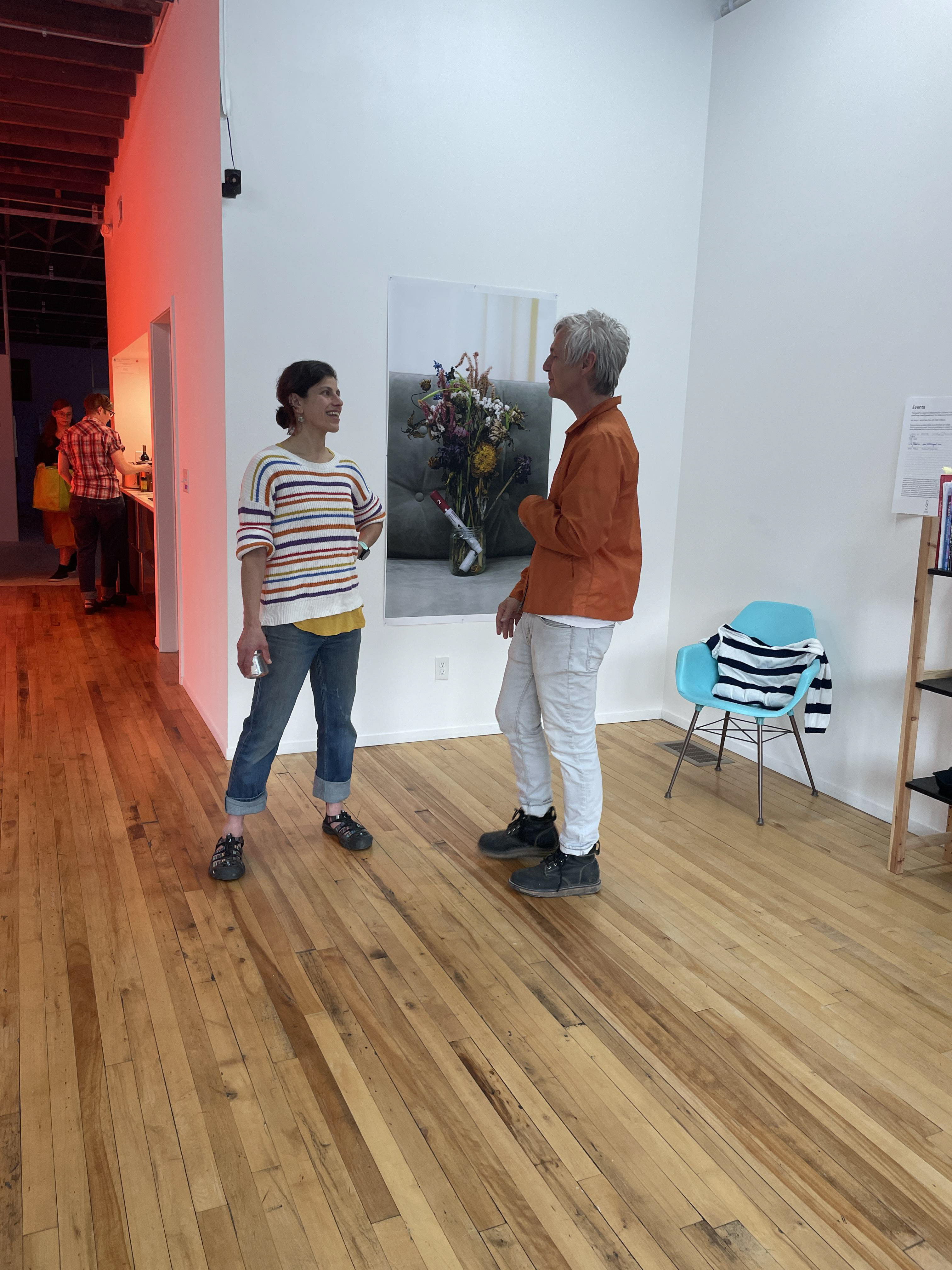
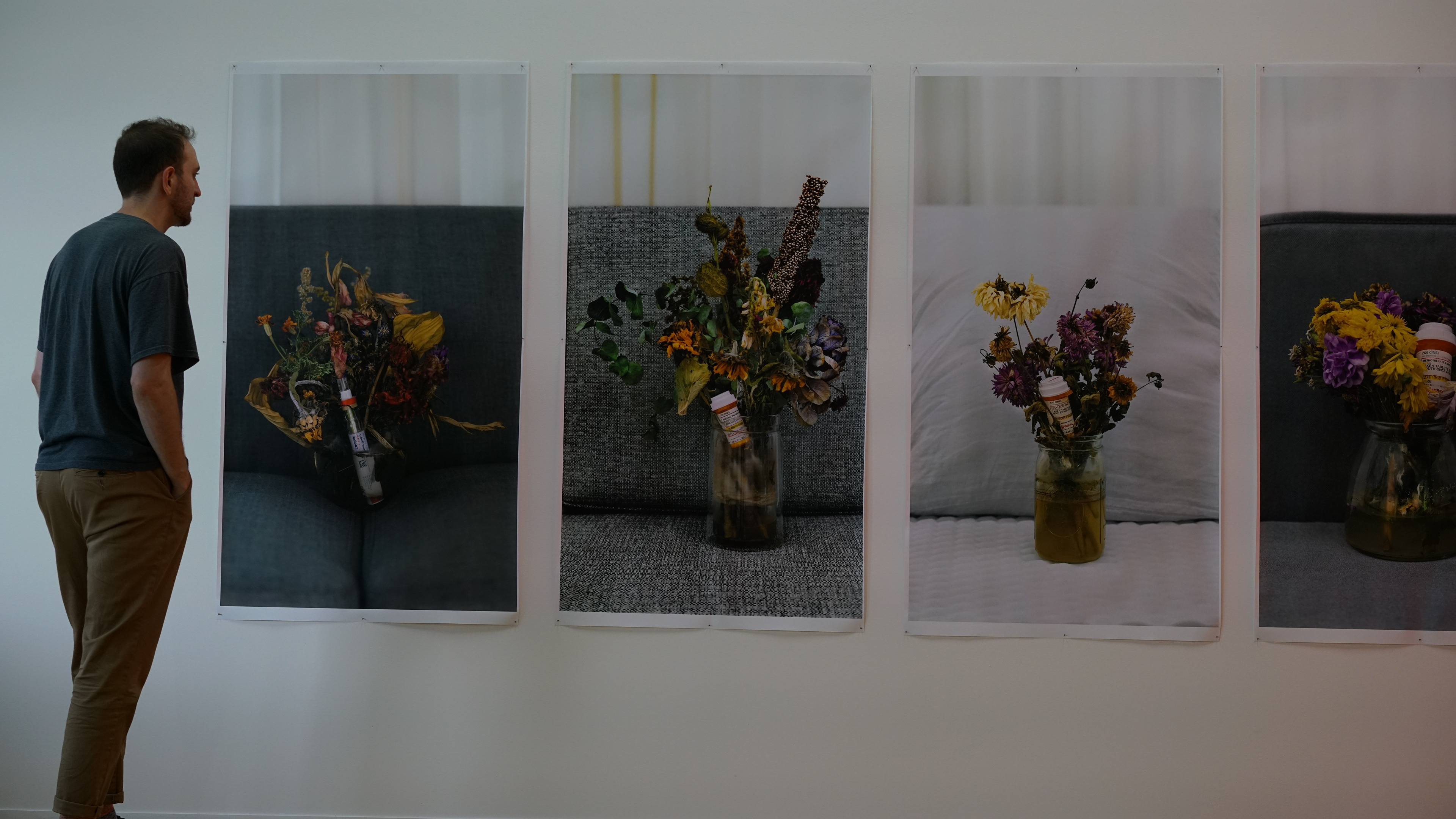
Natura Morta With (Series), 2022-2023
Epson Banner prints on matte paper
58 x 32 inches (each)
“I am still highly suspicious of the biometrical industrial complex. Over the past few years, I have found myself completely and inextricably tied to this world in a way that I didn’t want to be. I desire an alternative and I still believe that one day I won’t need this medication to live. Yet, currently, I’m fully dependent on Humira for my functionality. It is difficult to conceive of resistance to something that I need right now”. Carolyn Lazard, How To Be A Person In The Age Of Autoimmunity, 2013
My RA is currently treated through various medications, including immunosuppressants. One of these is, the most emotionally taxing one, is Adalimumab (Humira or Hyrimoz brands). Adalimumab is a biological anti-TNF alpha protein drug that is self-injected every other week and brings great relief to my joints but also constitutes a threat and a burden. In MN, for an immigrant like me with no employer insurance and no access to Medicare, the value for a monthly dose of two injections is around $5000-7000. Adalimumab is not available in any regular pharmacy, but only through special shipping after insurance approval (in the US) or by direct pick up at the pharmacy inside of the hospital (in Italy). The object requires special attention including careful handling and constant refrigeration, which makes any kind of travel, especially international, laborious and expensive.
When I was prescribed it, I resisted taking it for over a month. I was in debilitating pain, nevertheless I did not want to be dependent on this chemical and its demanding nature. I feared (and still do) the long list of side effects including various cancers and tuberculosis. I gauged whether or not I could manage the pain with only acupuncture, regular exercise and an anti-inflammatory diet. Maybe I could have, as testimonies from the internet showed me, but was that an actual possibility in this capitalistic system? Just the short drive from my home in East Side St Paul to Woodbury for acupuncture erased most of the positive effects of the treatment. So how can I work three jobs, advance my artistic career, and take part in social activities without triggering RA? Given that I can’t afford to not work, my visa is dependent on my growing achievements in the arts, and my social network in the US demands active presence, I ended up taking Humira. I blame capitalism for not having an alternative and I also acknowledge that it is a privilege to access this medicine that allows me to forget at times the pain, the swell and the heat.
I kept all of the used injection pens and photographed them in a series of pictures. The project is an attempt to reconcile with this object that is dense with personal meaning, and more broadly it is a reflection on how care is often entangled with disruption and destruction. In fact, while Adalimumab prevents my immune system from attacking itself, it also suppresses it, making me vulnerable to infections by viruses, fungi, or bacteria.
It’s curious that after being diagnosed I developed a fascination for flowers. Flowers are a very versatile gift used to celebrate happy events, to show care for the ill and to bring an offering to the dead. When cut, they turn very quickly from being bright and cheerful to being frail and moldy. They are in fact an paradoxical gift for a sick person who might not have energy to care for them and they are thrown away as soon as they turn from well to ill.
For months I kept flowers that were gifted to me and observed the sublime look of the mold that creeped around the stems, the tension within the frail petals as they crunched inward, the visceral nature of the ecosystem rotting in the slimy bottom of the vase. These flowers are truly stunning, not less than if they were fresh. I think about how we attribute values of beauty and perfection to wellness and how we look away and disconnect from anything different. By looking at these flowers, I wonder if the distinction between wellness and illness is actually just a binary, arbitrary construct that is very limiting and will oppress us all.
As I imagine myself sitting on these soft, impersonal surfaces, waiting to be called for the next diagnosis, these images of moldy flowers become an exercise in embracing the beauty that is in decay and practicing self-acceptance.
All the flowers (and the mold) were donated by Lake and Rose Anderson. A special thank you to Joey Giffen-Hunter for building a whole shading system.
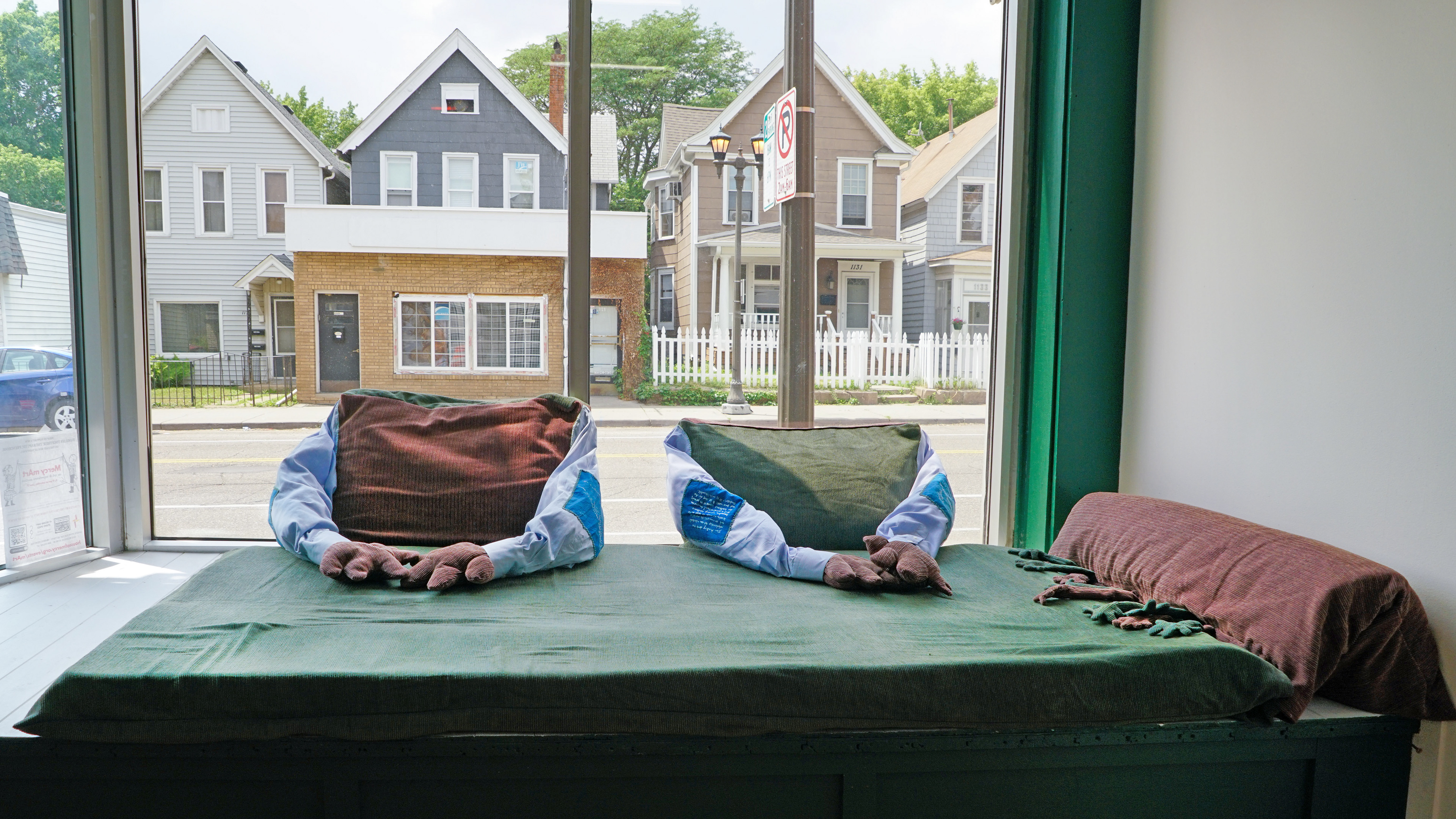
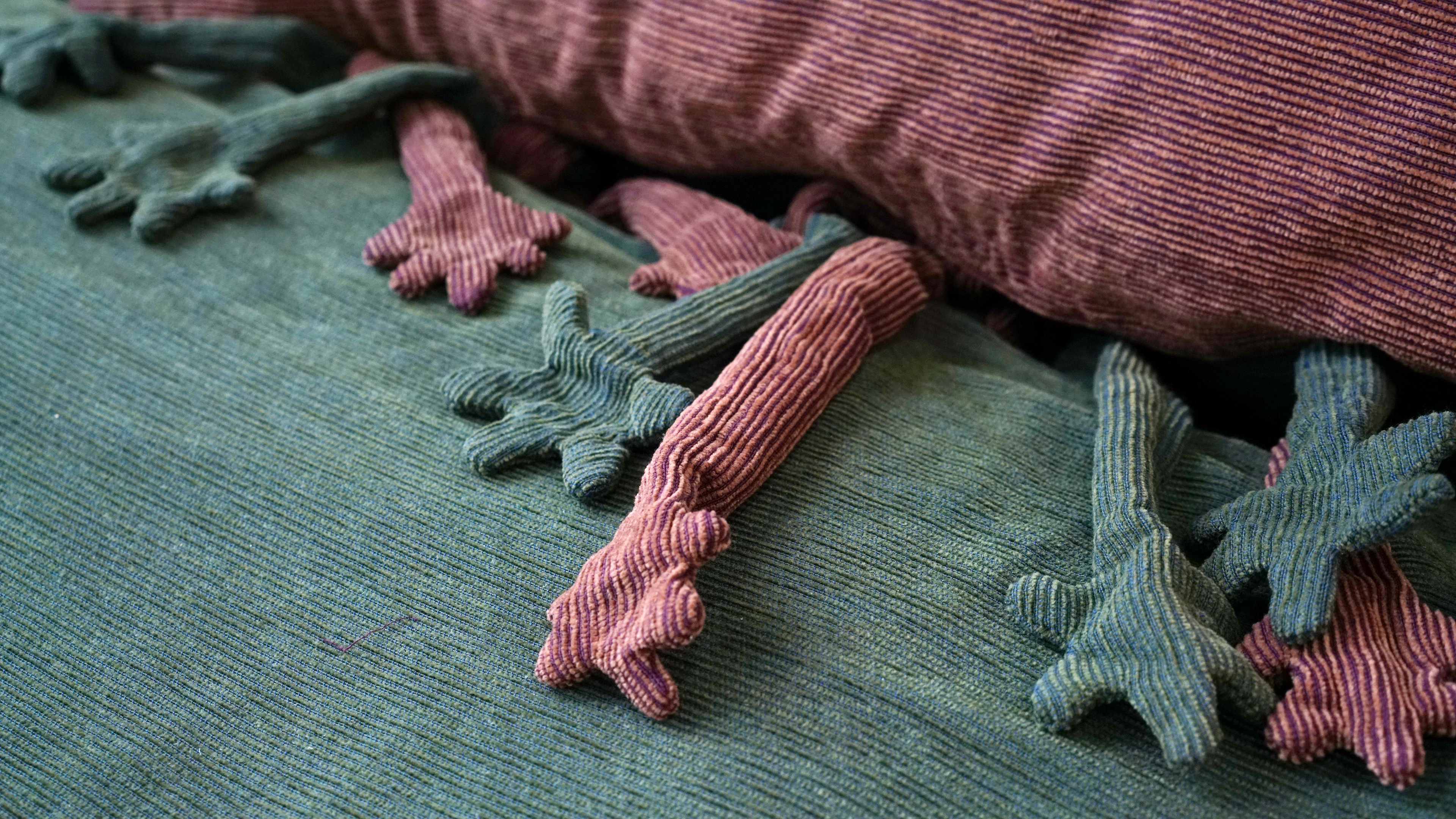
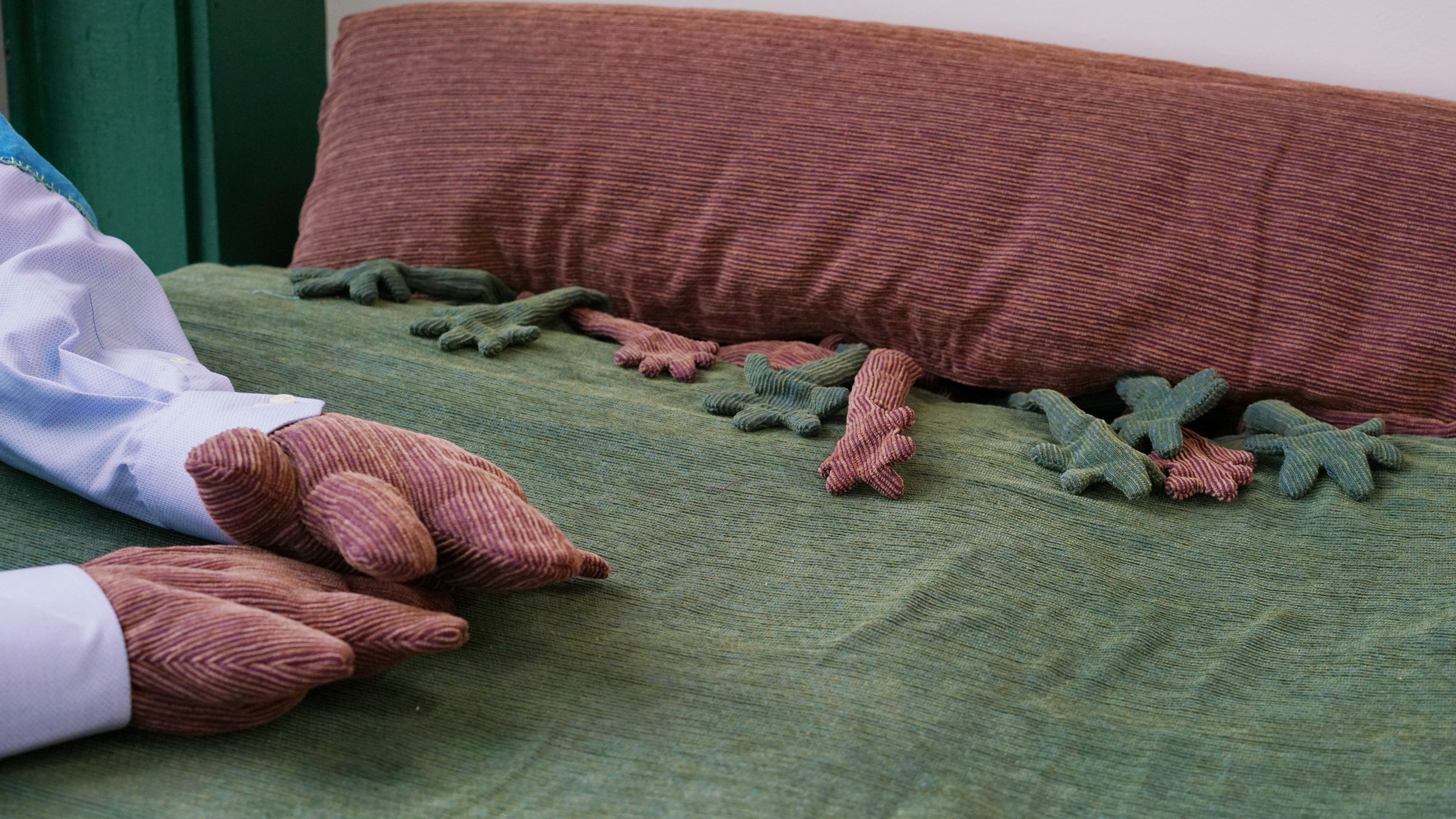
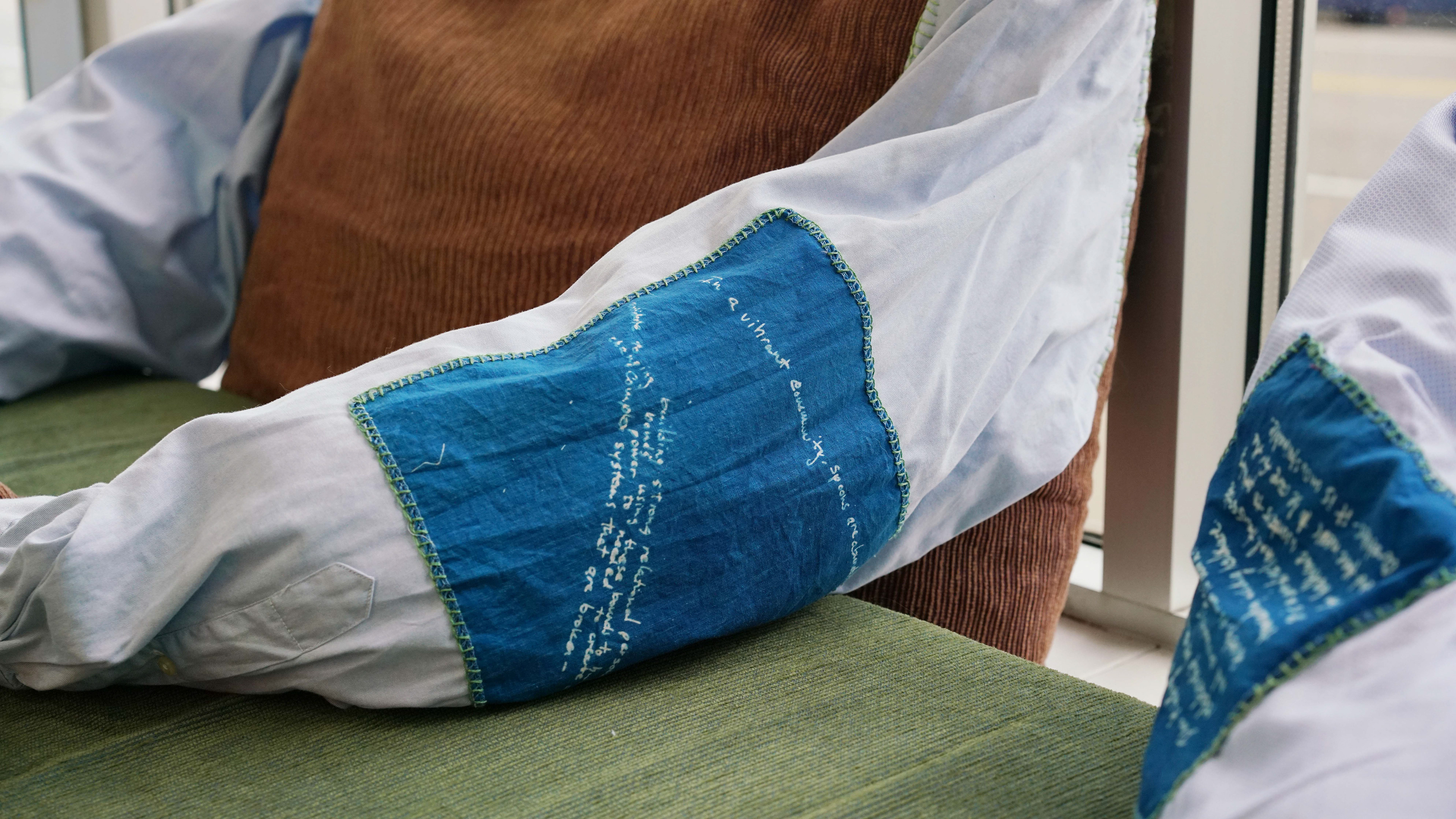
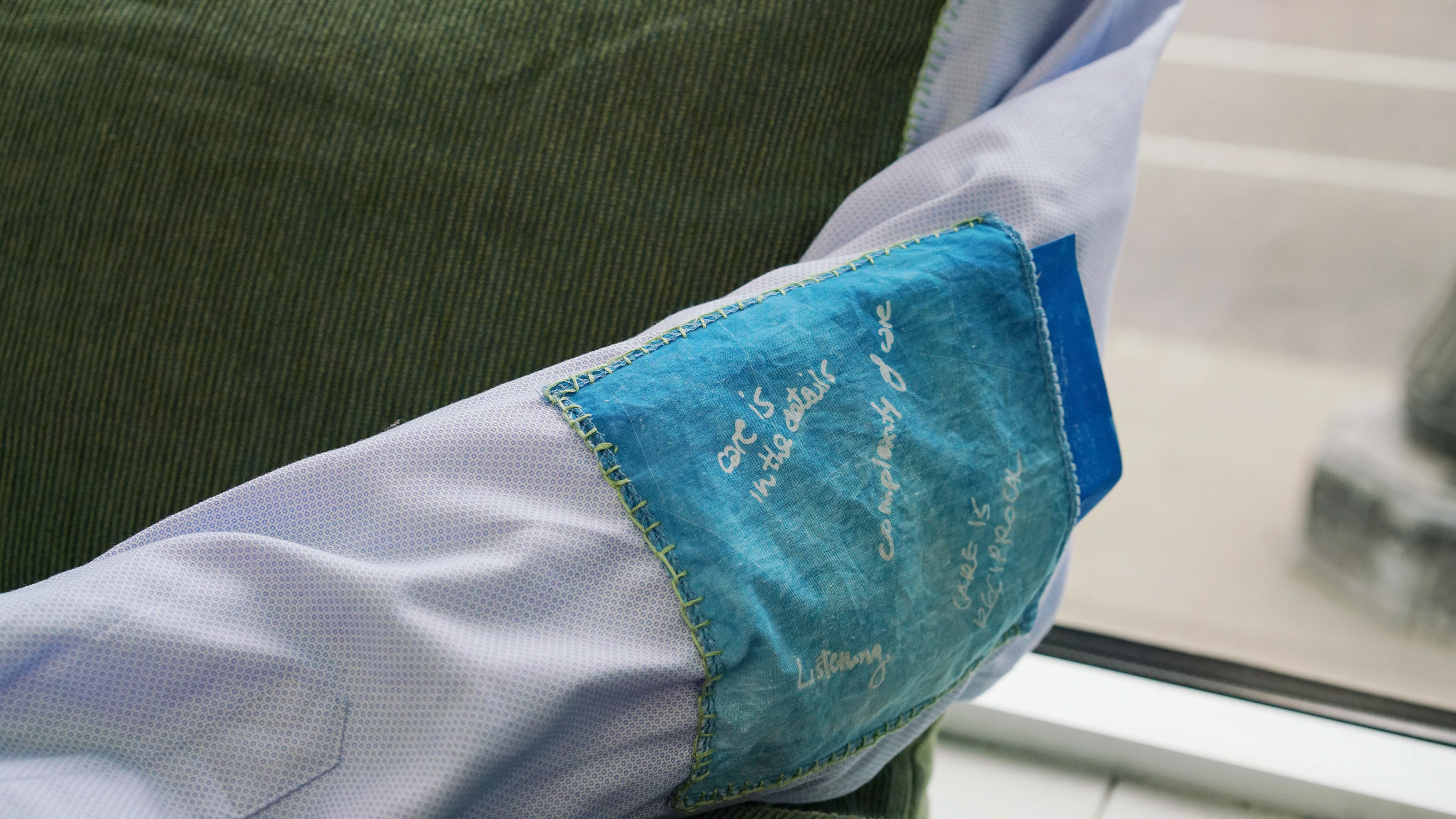
Rest with me, 2023
Repurposed hospital mattresses, donated fabric and pillow stuffing, cyanotype prints
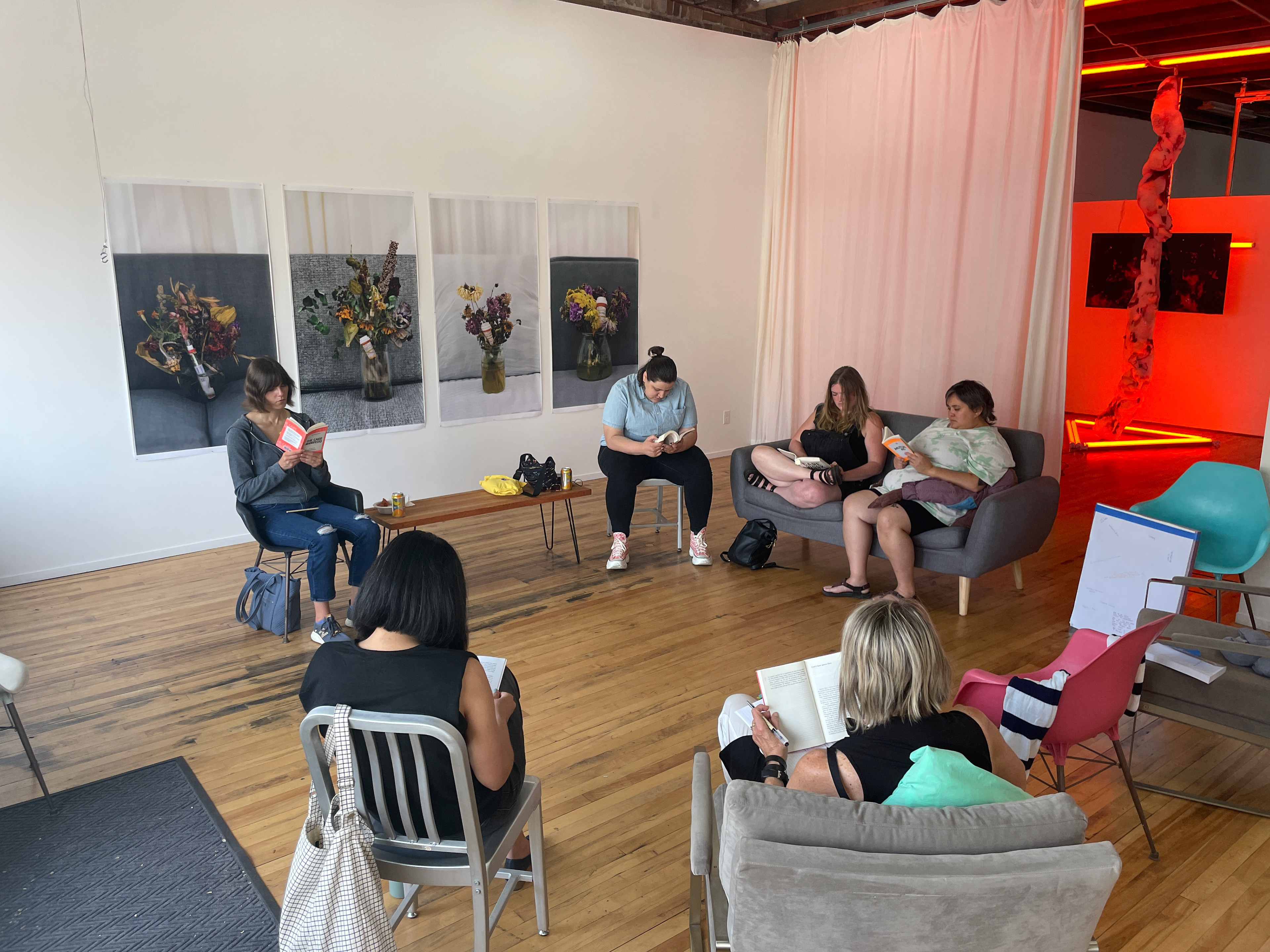
In the fall of 2022 I had a flare of RA. Pain and fatigue were so bad that sometimes driving to the studio demanded all the spoons I had for a day, with very little energy left to produce art. Most days, my studio practice consisted of reading, processing and training myself to unlearn internalized capitalistic quests for production. Why do I have to be sick right when I finally have the space to make new, large-scale work? How do I stop feeling guilt and shame around my body’s demand for slowness and self-care? Where do I start for building a practice that is actually sustainable and that considers holistically my body, my mental health and my environment?
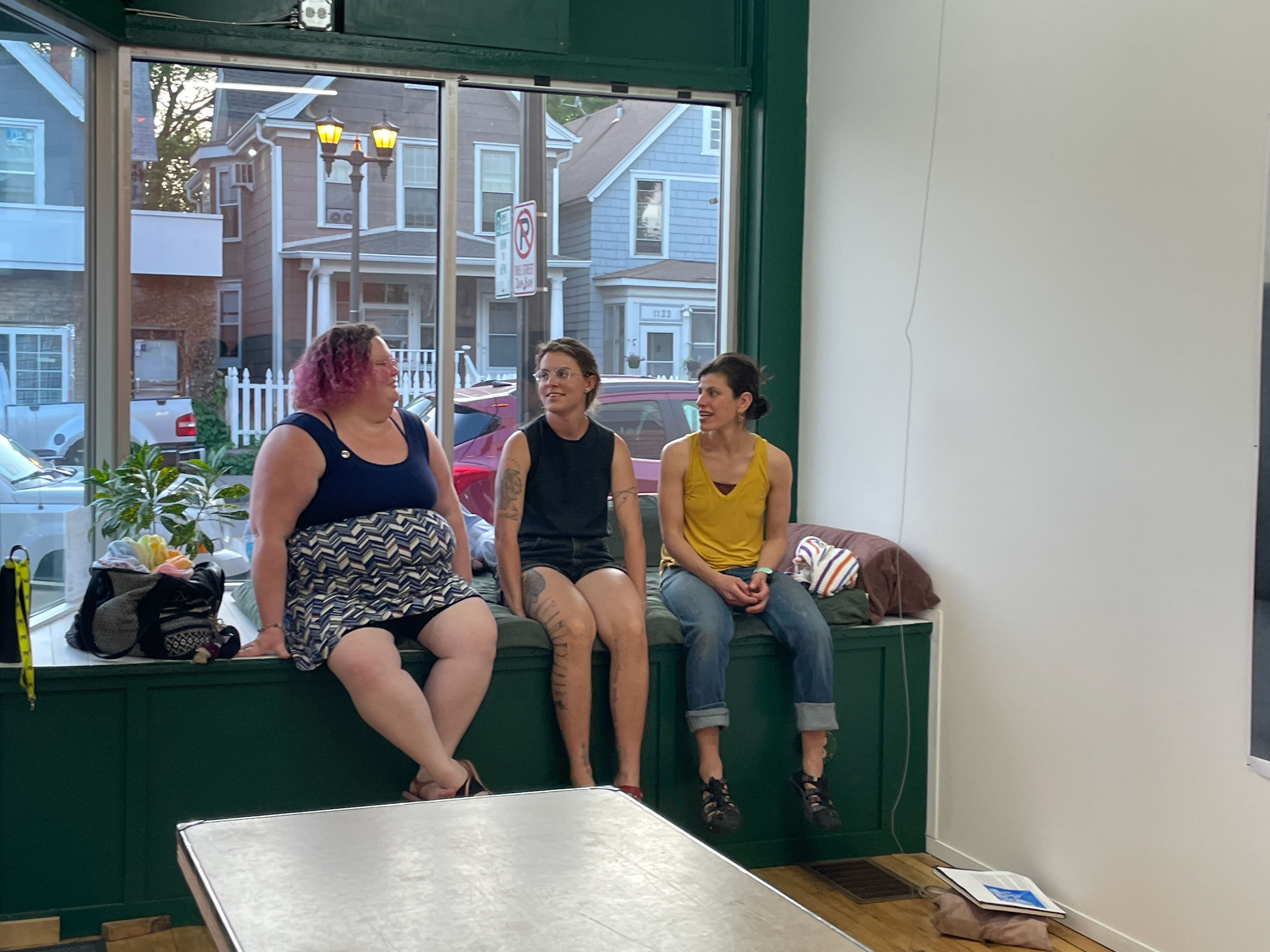
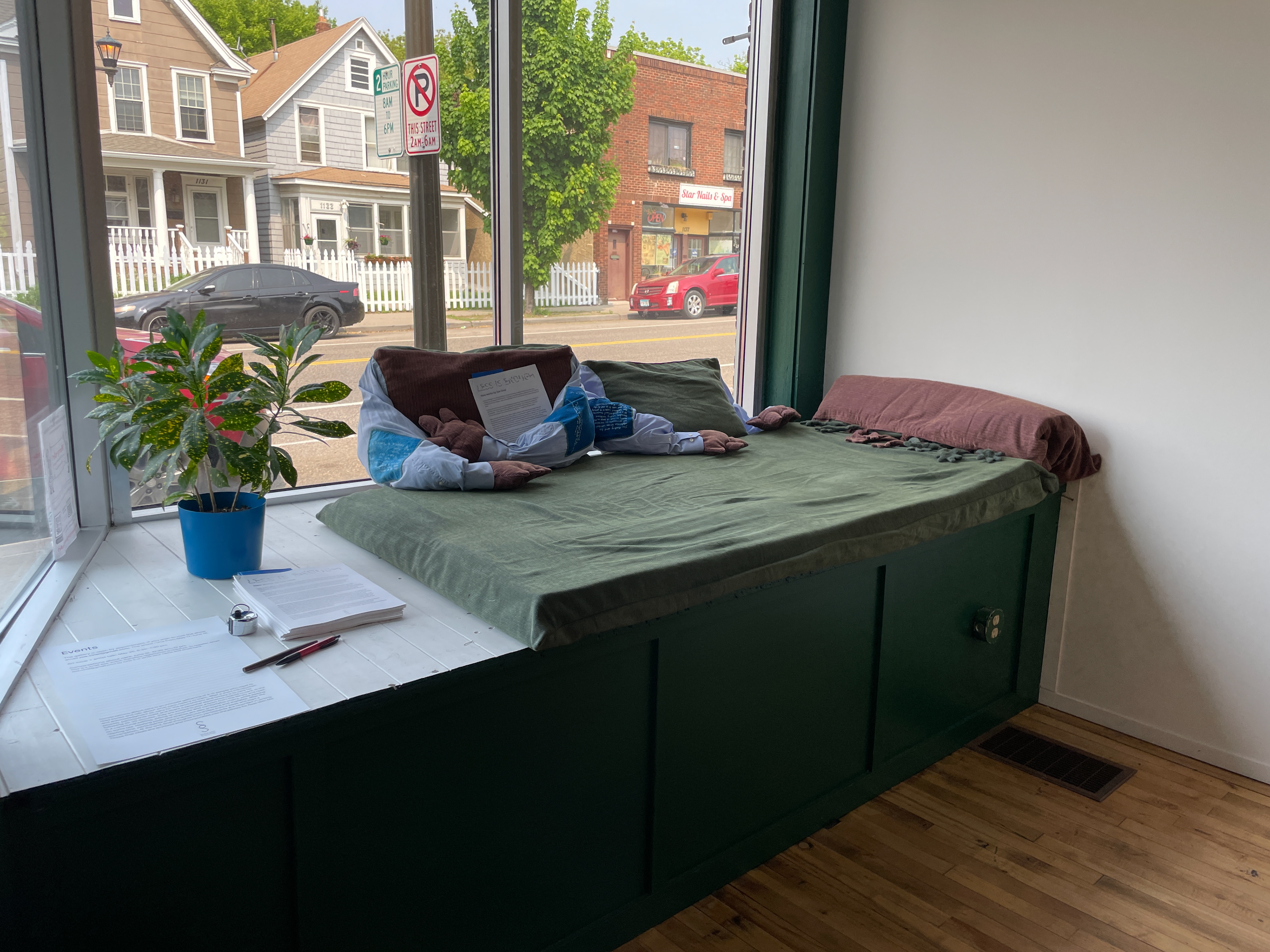
So, while I spent a lot of time laying on a yoga mat in the windows of the Studio, I dreamed of a surface that is welcoming for Second Shift’s residents like me, whose bodies need softness and care.
Rest with me is a collective gift that was made possible by Gretchen Gasterland Gustaffson, Kerry Morgan Kriss Zulkosky, and Maggie Scanlon, who donated fabric and stuffing for this project. Also by the participants to Conversations about Care (November 10 and December 9, 2023), who generously shared space and thoughts with each other. A special thank you goes to Gretchen who volunteered her generational sewing skills along with many hours of work and fun chats.
I invite you to sit and lounge on this surface. You might experience the vulnerability and empowerment of resting on a display window. While you rest you are welcome to consider what legacy, ancestry, accessibility, care, and self-care mean to you.
A special thank you to Second Shift Founders Kriss Zulkoski and Chris Larson, to Second Shift Studio Manager Emily Dzieweczynski, to the Board Members, and to this year’s cohort. This new work would not have been possible without the Residency and the good conversations.
Heating Pads, 2022-2023
Repurposed clothes, rice
During my last flare of RA, I started paying attention to the objects I carried with me: painkillers, anti-inflammatory lotions, pillows, braces, herbal remedies and such. This cohort of objects provided care or healing, or simply gave me a sense I could manage the unmanageable. Some of these objects are heating pads, which help ease the pain while also giving me emotional comfort. One day while shopping for a new one online, it hit me how medical devices often look impersonal and standardized in their infinite range of gray, beige, pale green and blue tones. What is the deal with these muted palettes? Is this a strategy to keep illness invisible, a matter not to be seen or discussed in public? Instead of reinforcing a stigma, why don’t clothes, accessories, and medical devices for the ill body contribute to the healing process practically and emotionally?
In response to my depressing shopping session, I created these heating pads from repurposed fabrics that were gifted to me: socks, hats, shirts and others. The clothes were no longer used but I kept them because I cherish the connections behind the gifts, not knowing what to do with them, until illness laid the opportunity.
The heating pads are unique because they are created from objects of memory: their unusual shapes and lengths adapt to different bodies and various body parts. They are flexible supporters whose hectic look speaks out loud about the messy, yet creative process of giving and receiving care.
Clothes were gifted by: Enrico, Gianna, and Second Shift Studio. A special thank you to Alanna Stapleton, Sarah Giffen-Hunter and to Gianna for volunteering sewing time and skills.