About the Exhibition
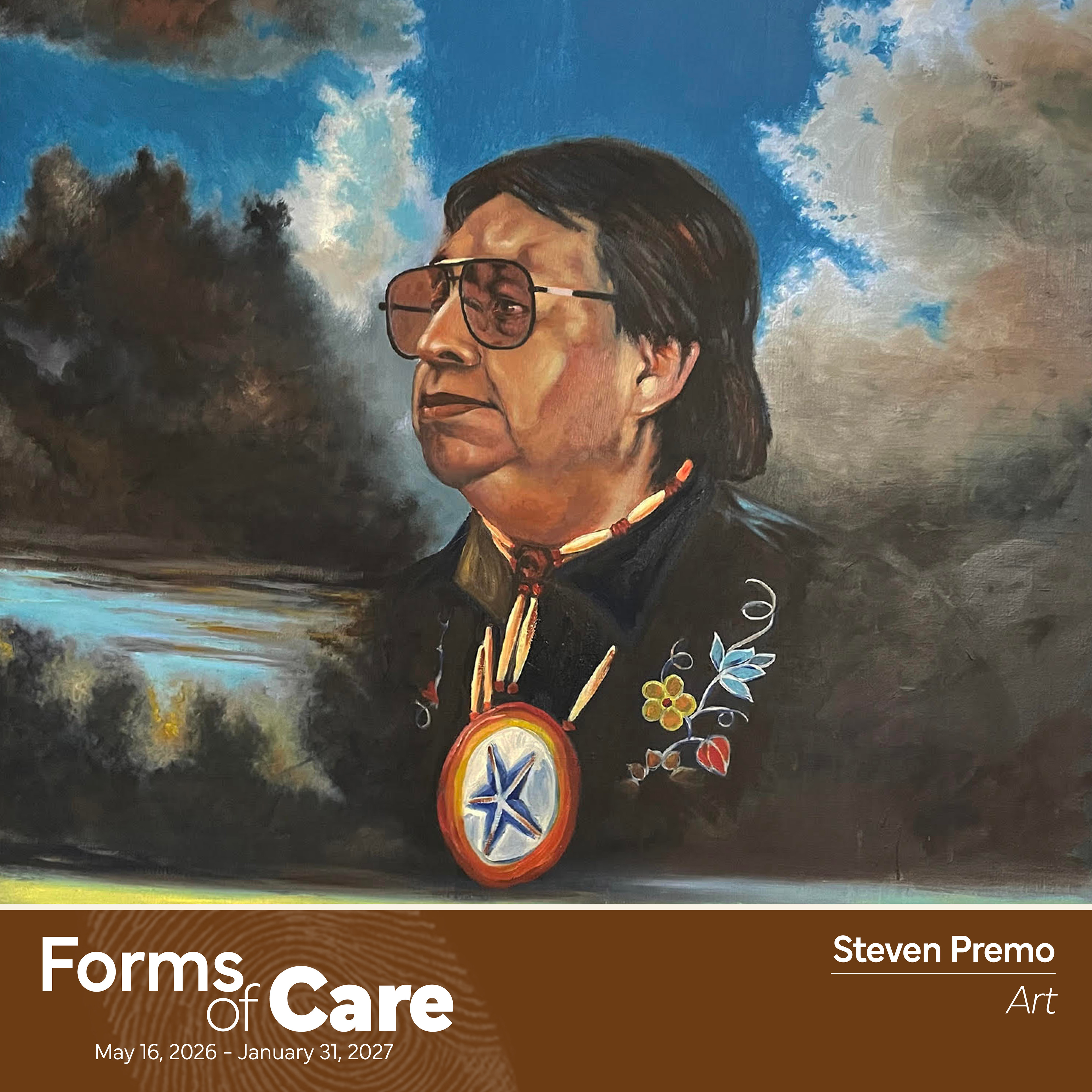
Saturday, May 16, 2026 - Sunday, January 31, 2027, Rochester Art Center. Click here for info about the programs.
Co-Curated by: Zoe Cinel & LaVanda Mireles
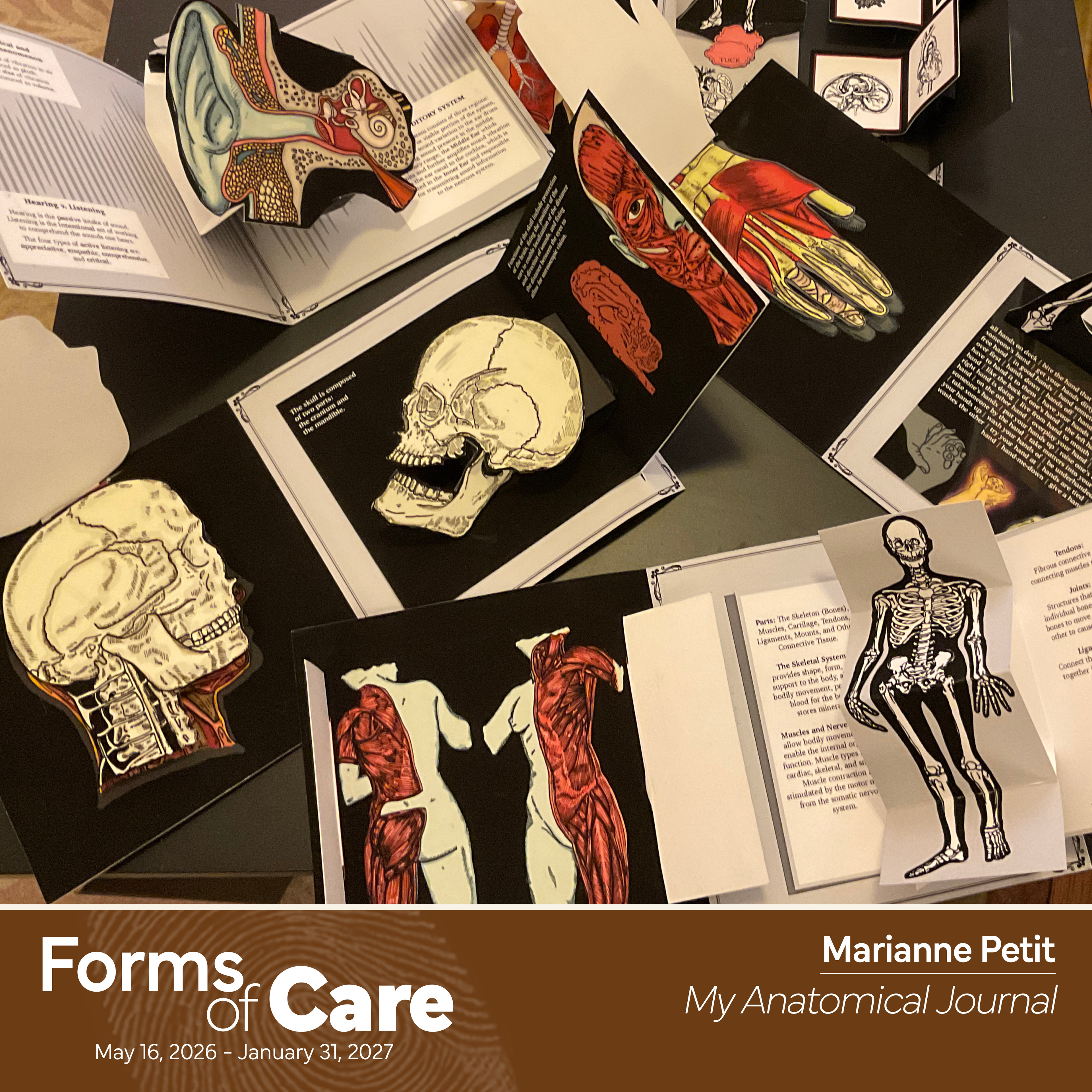
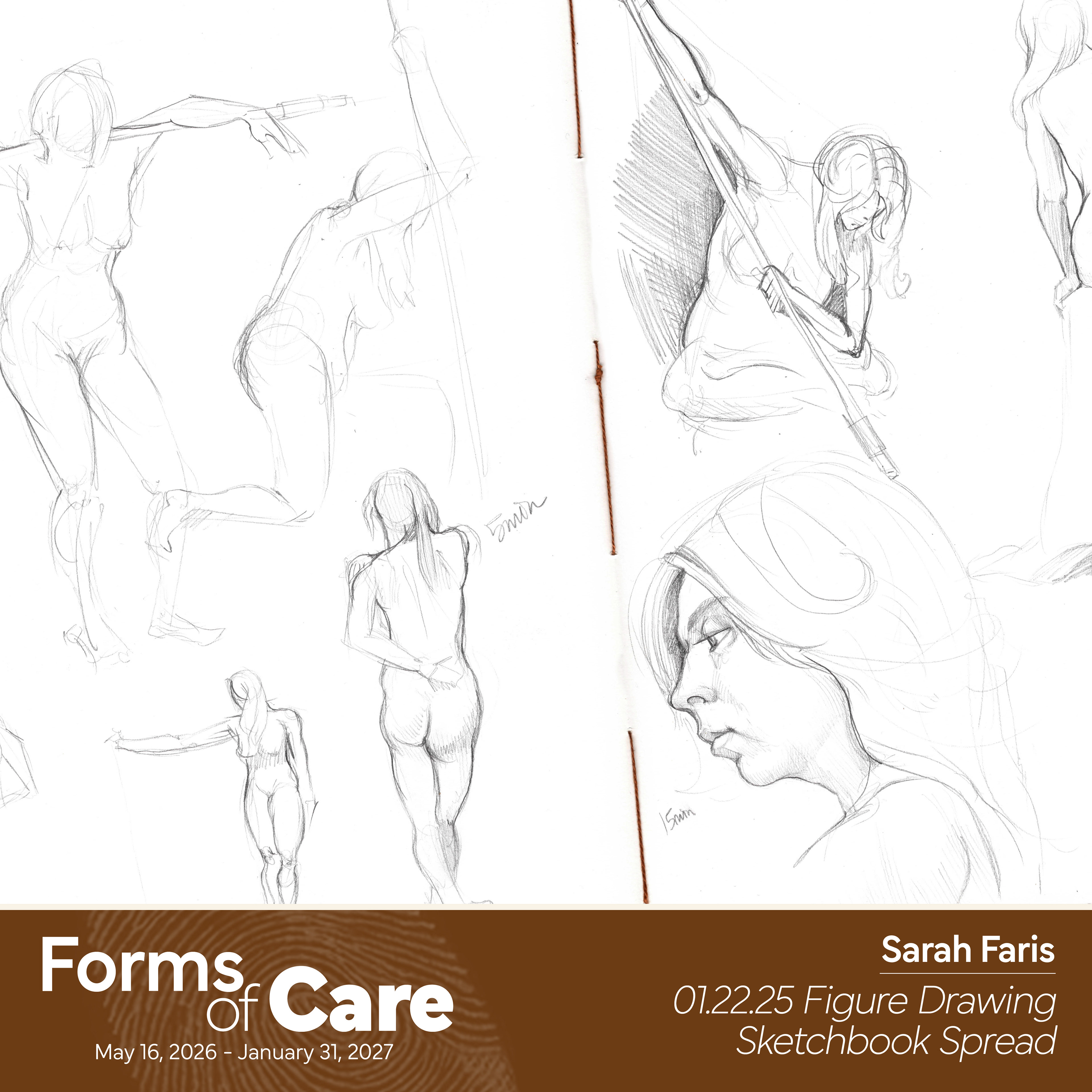
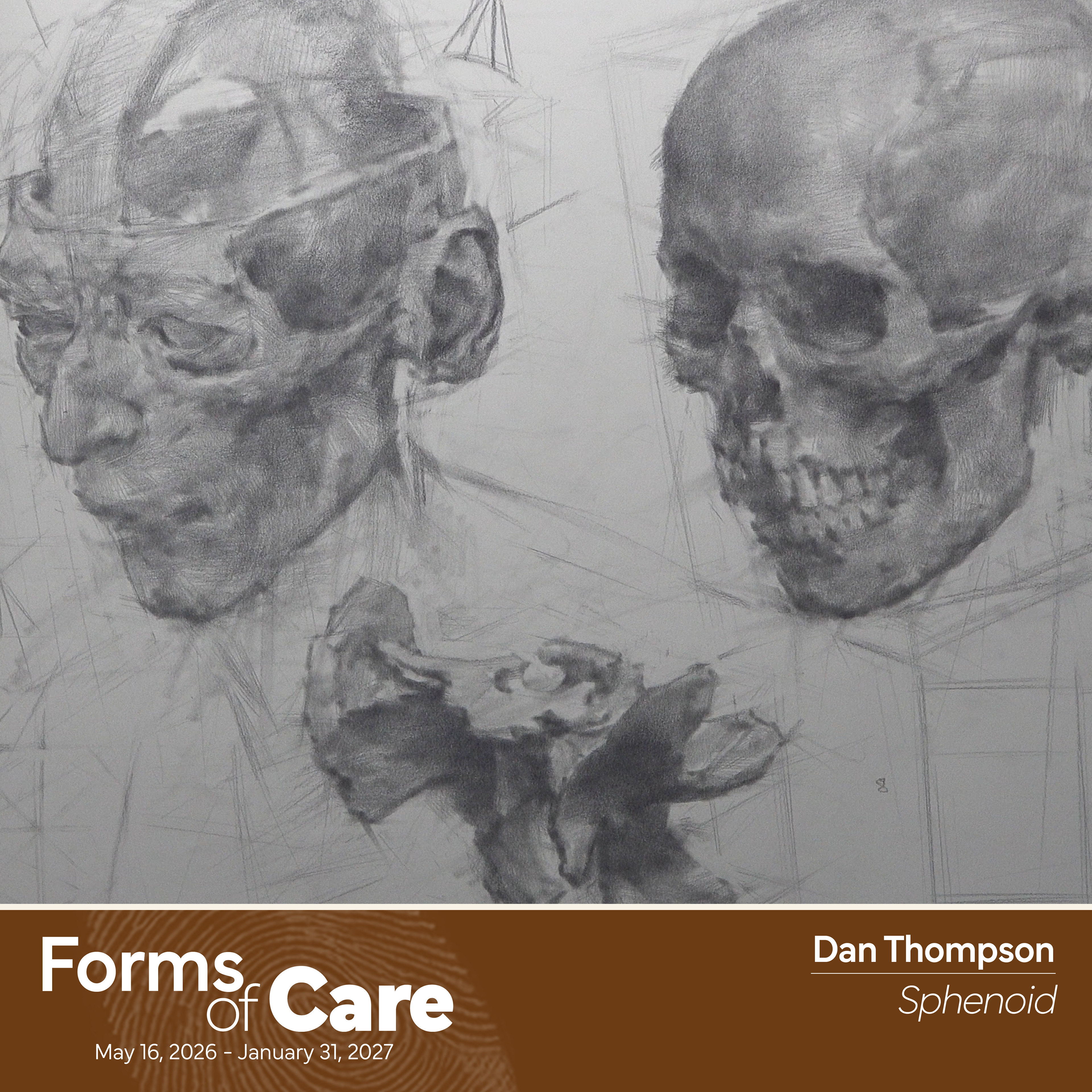
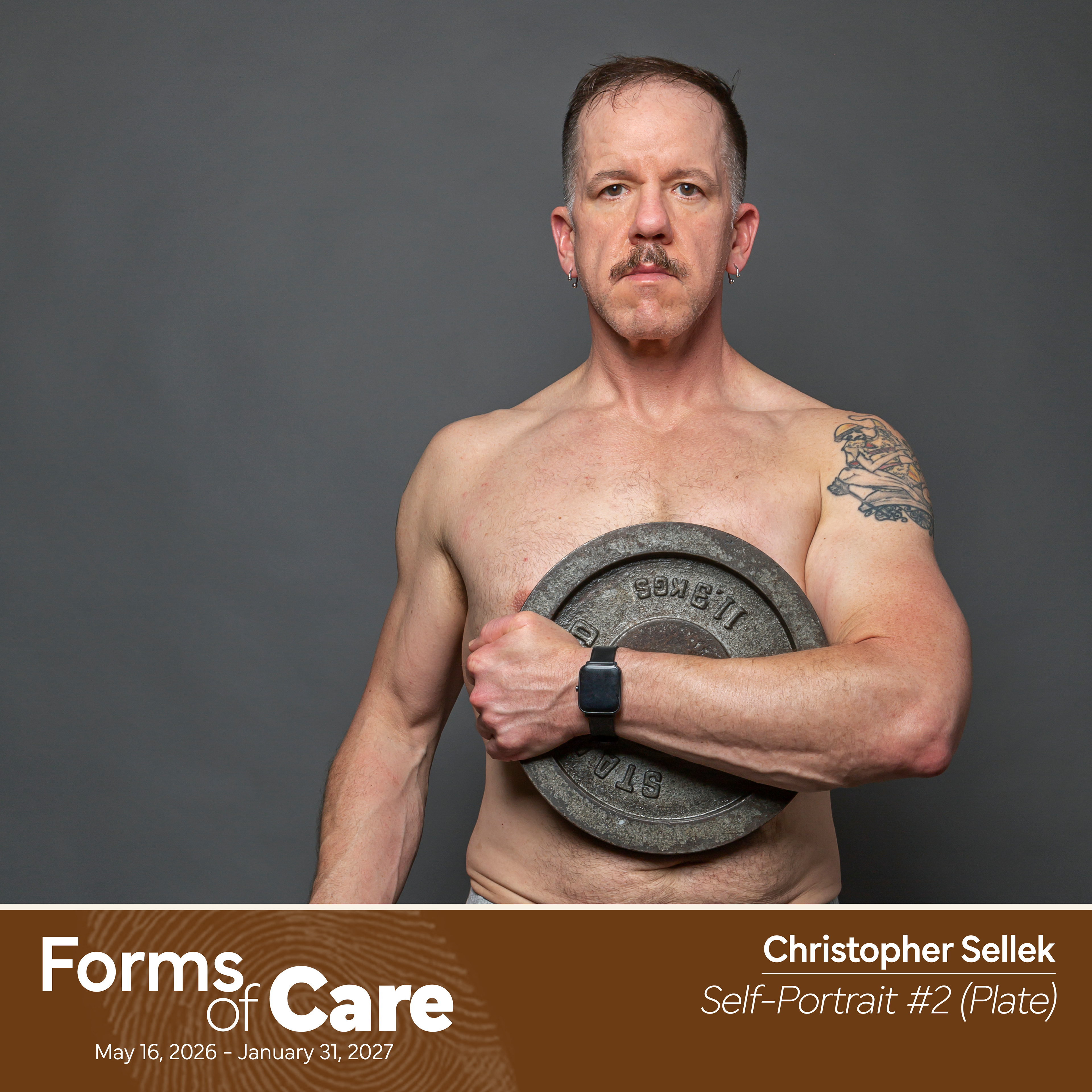
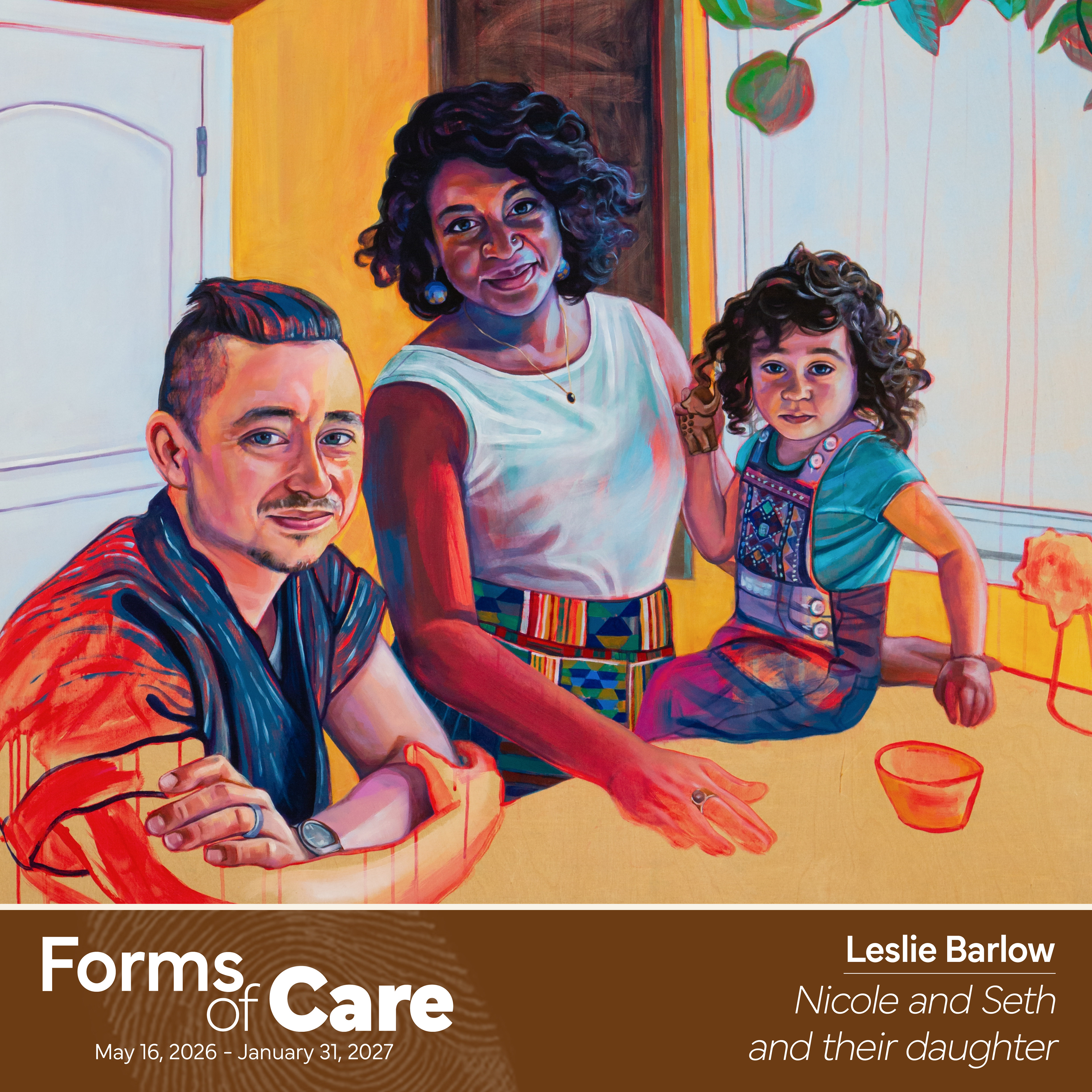
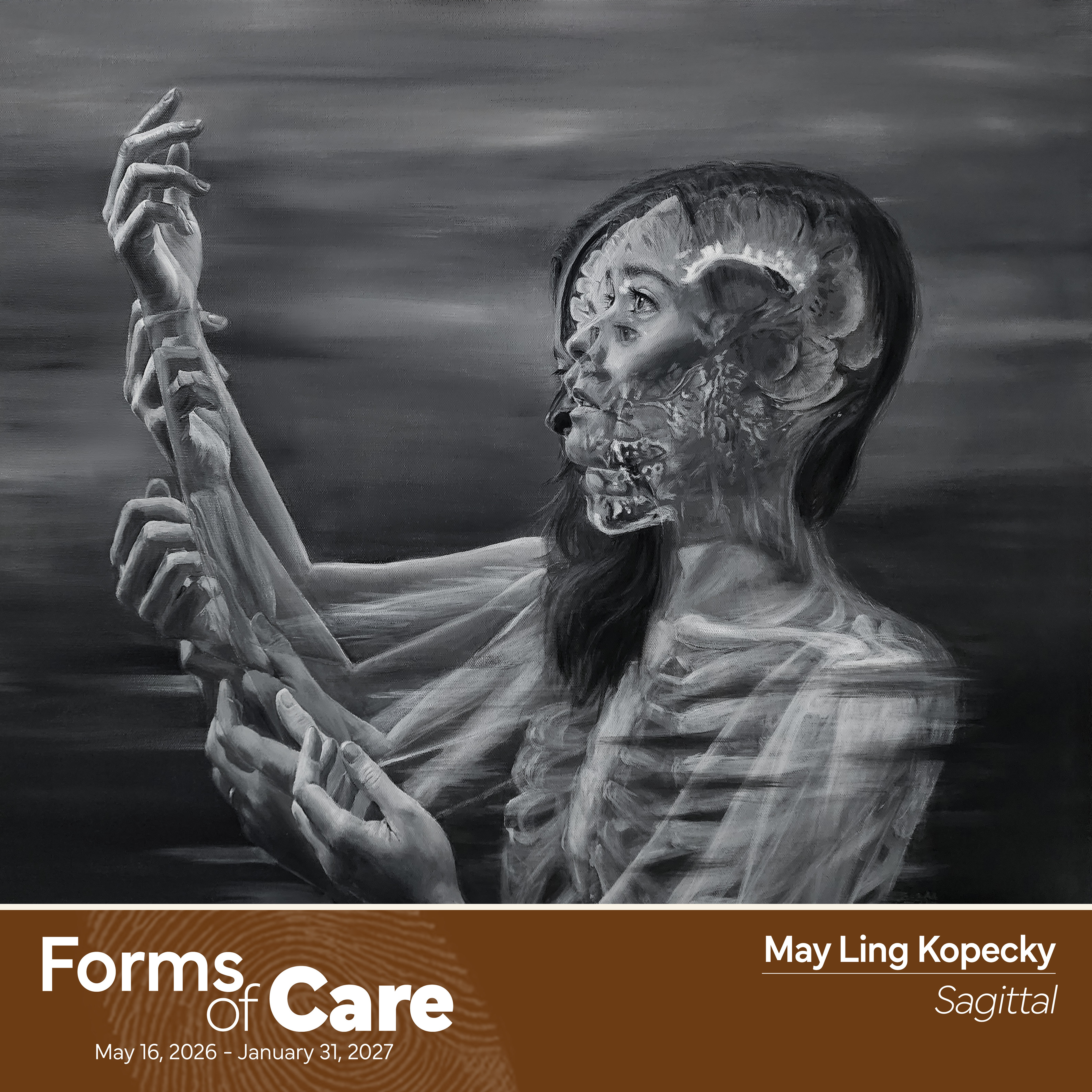
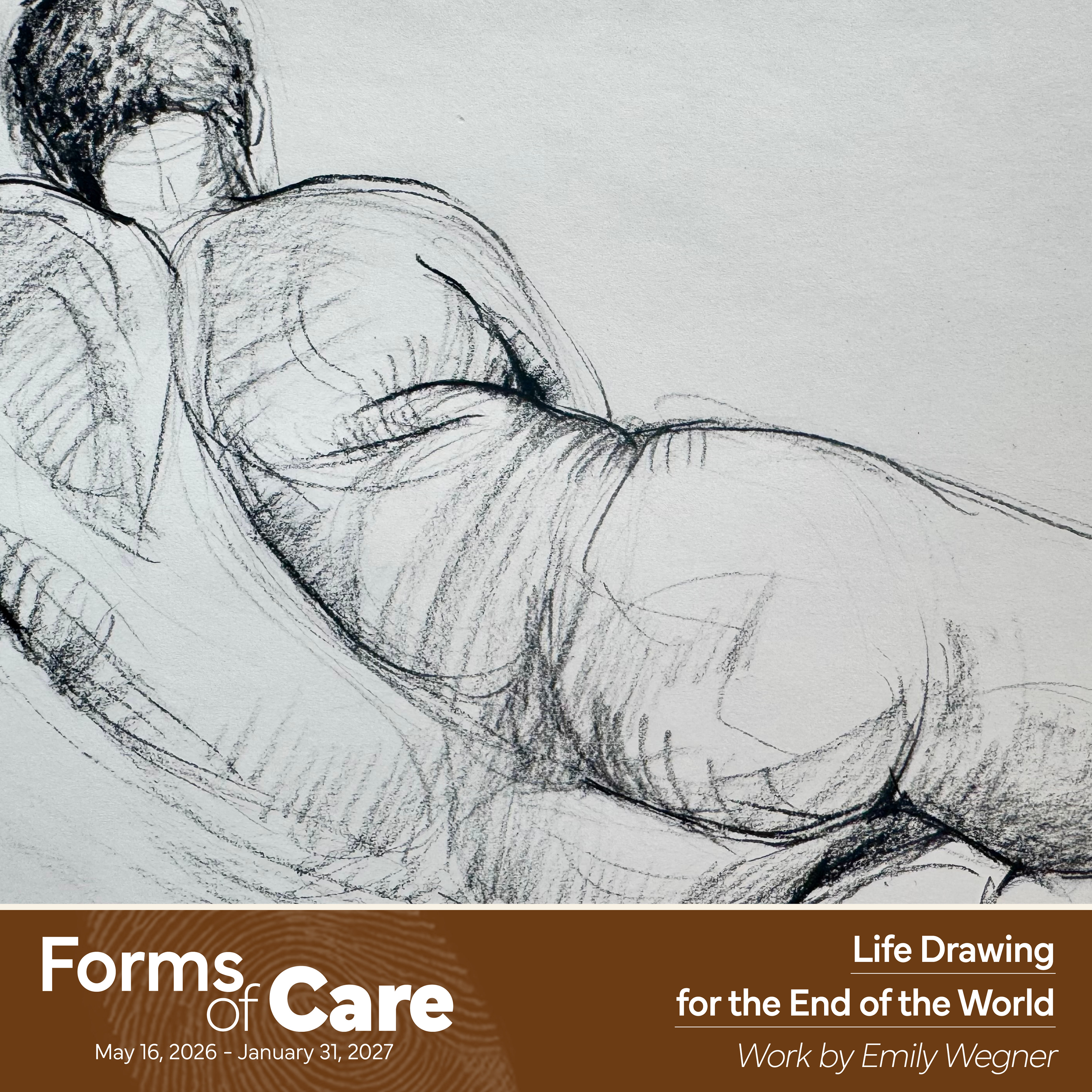
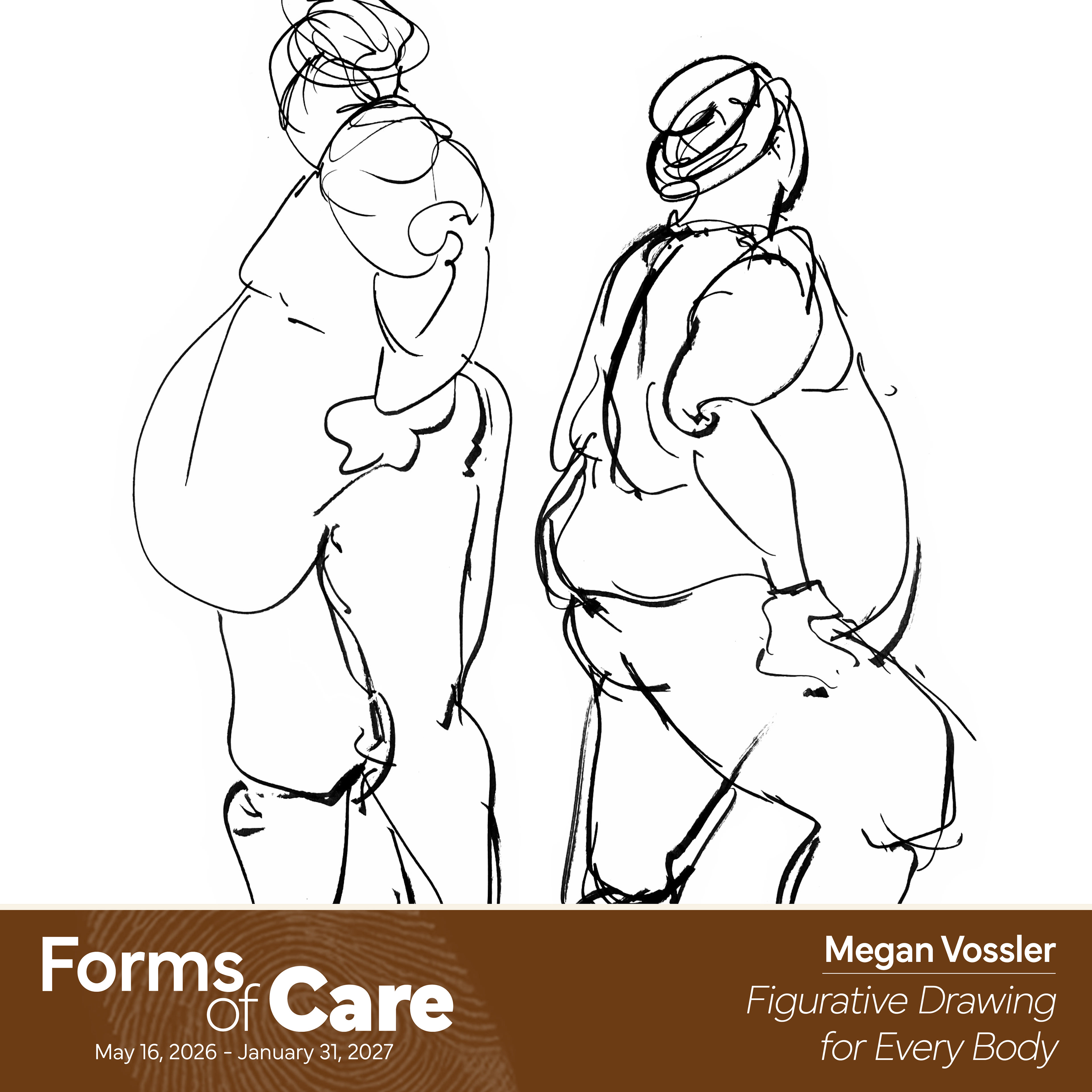
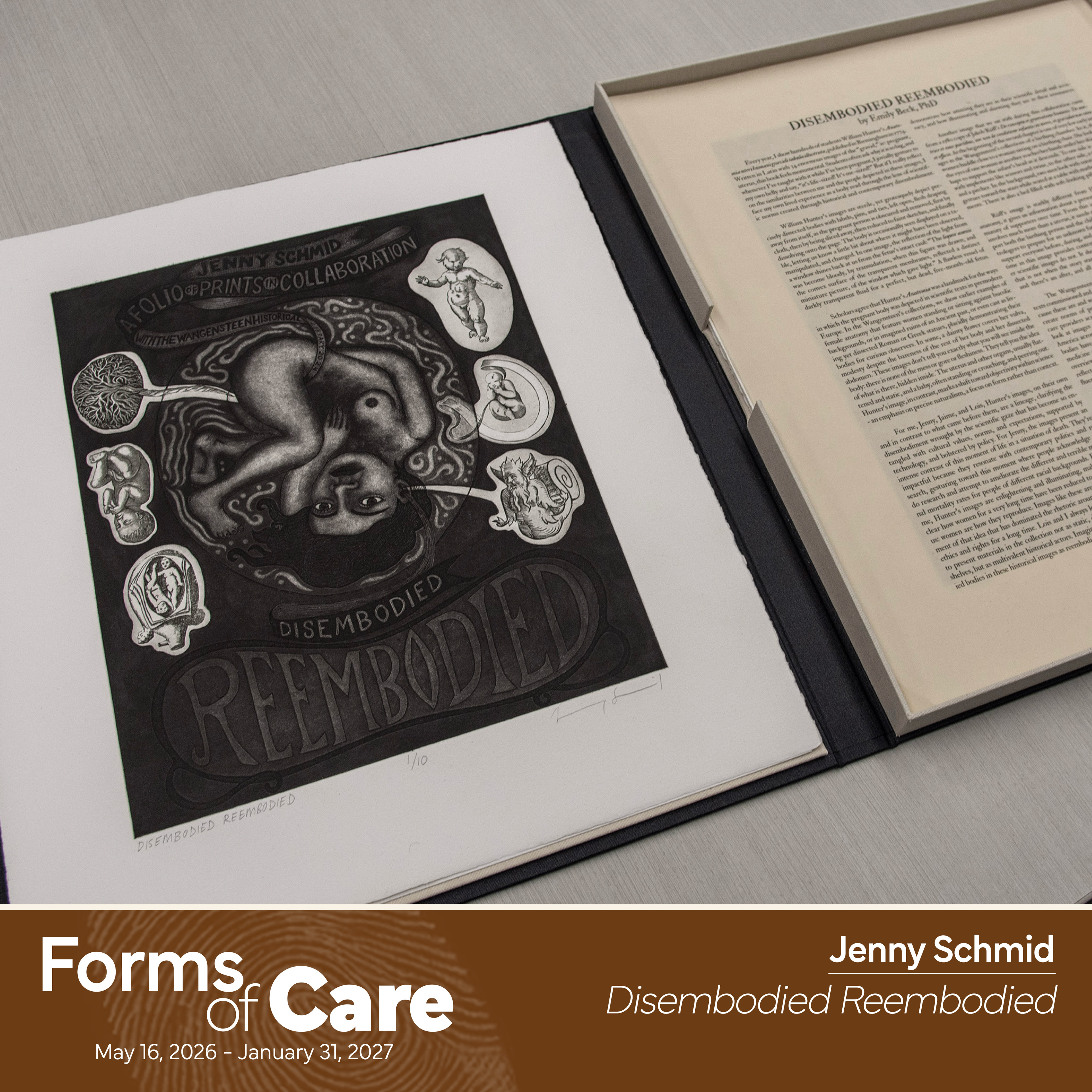
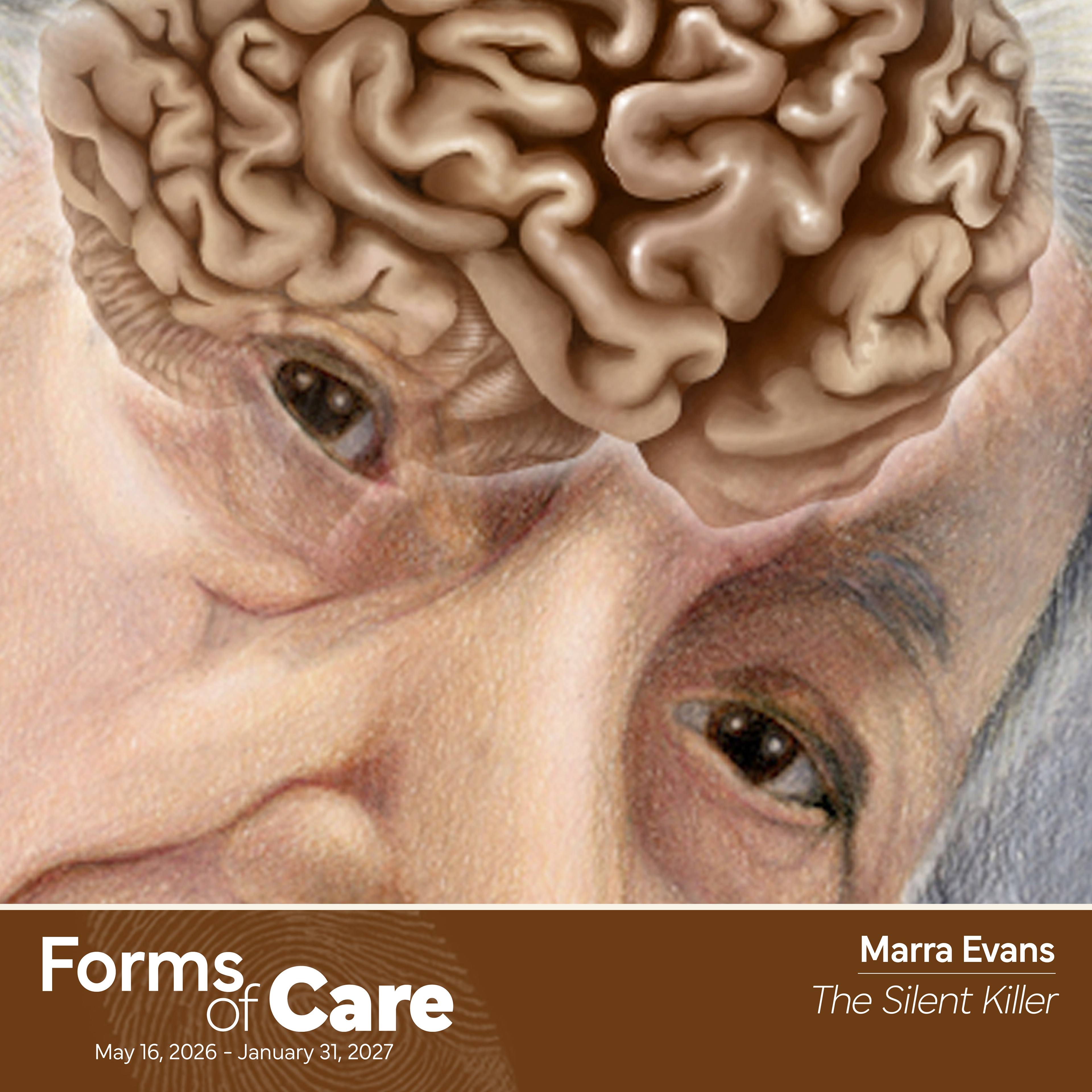
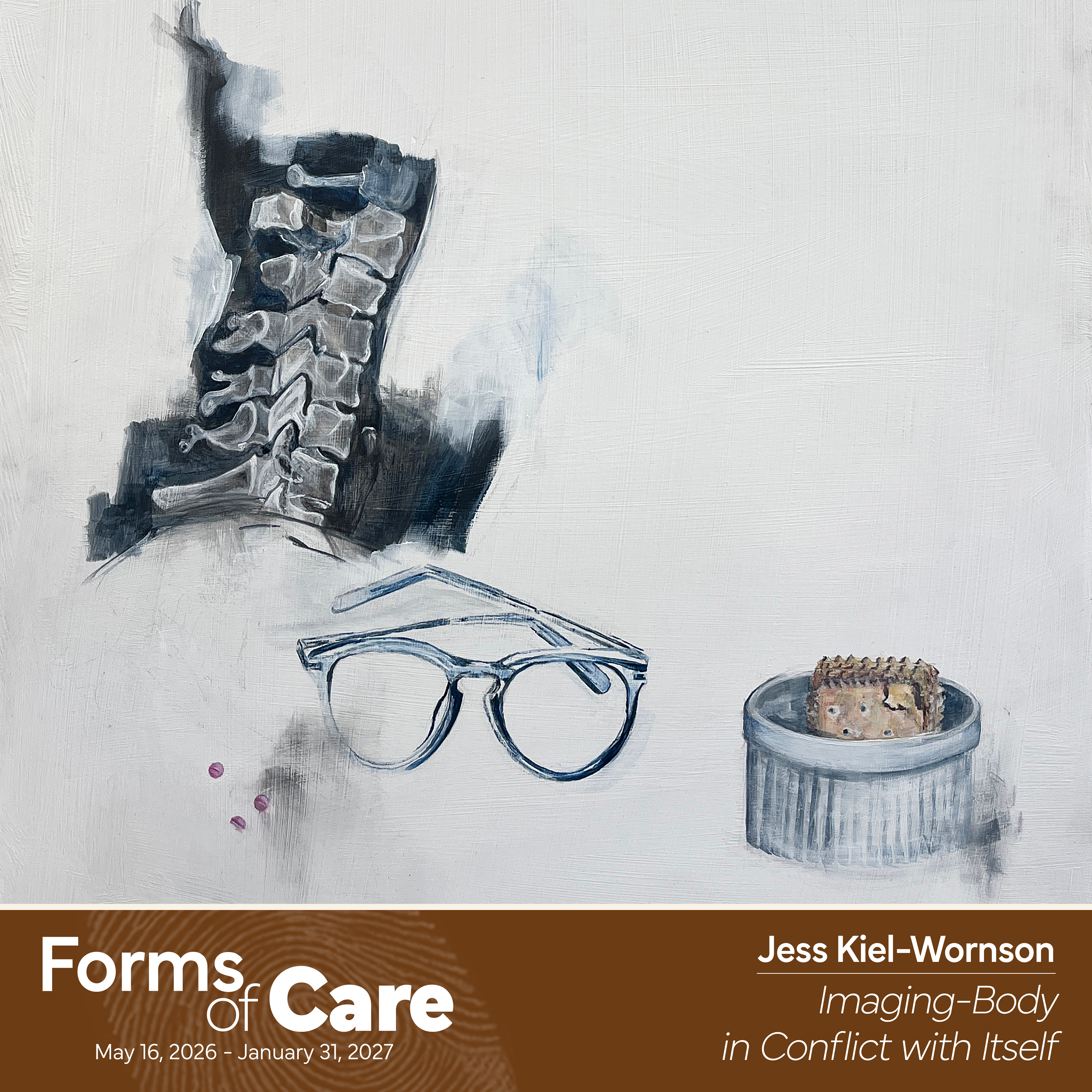
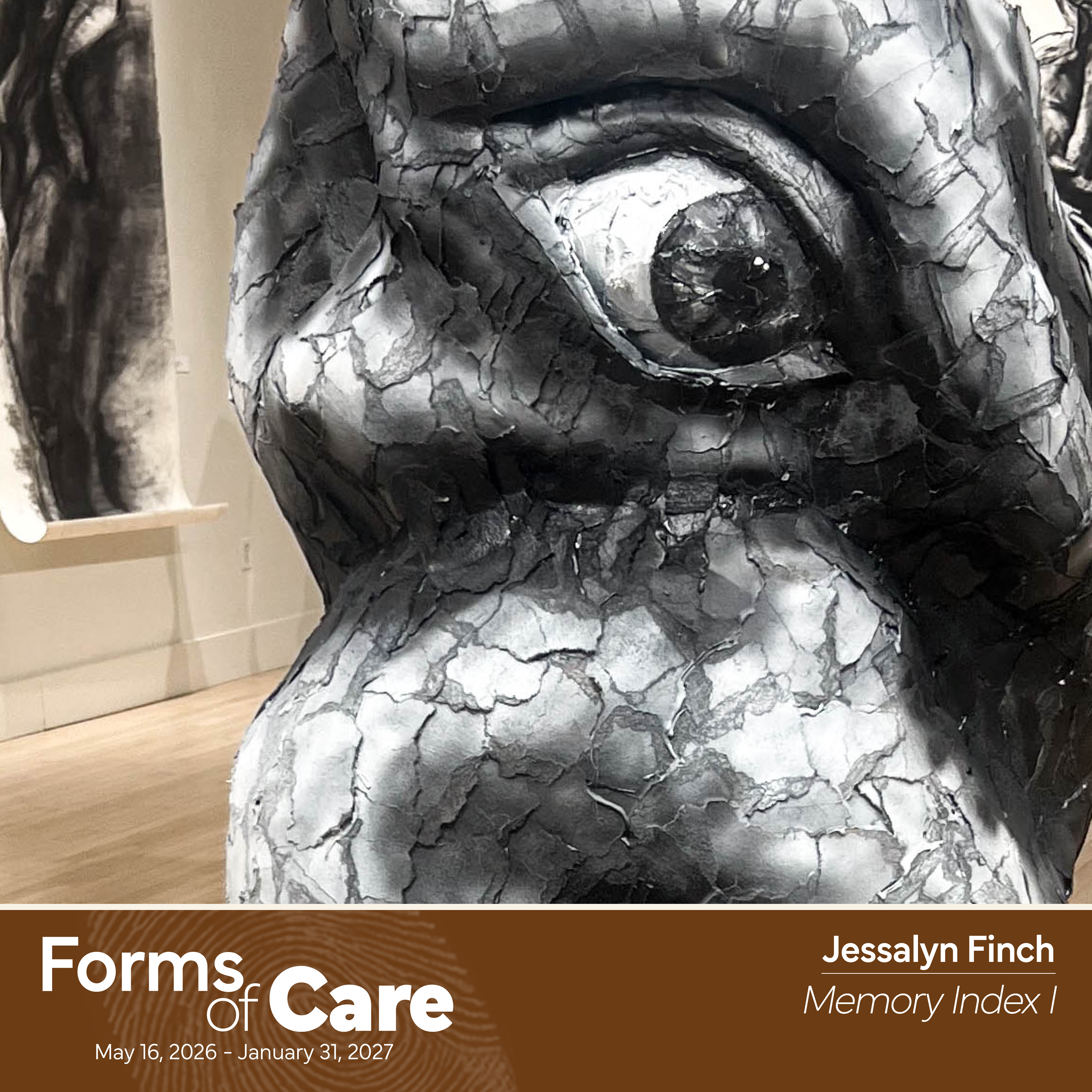
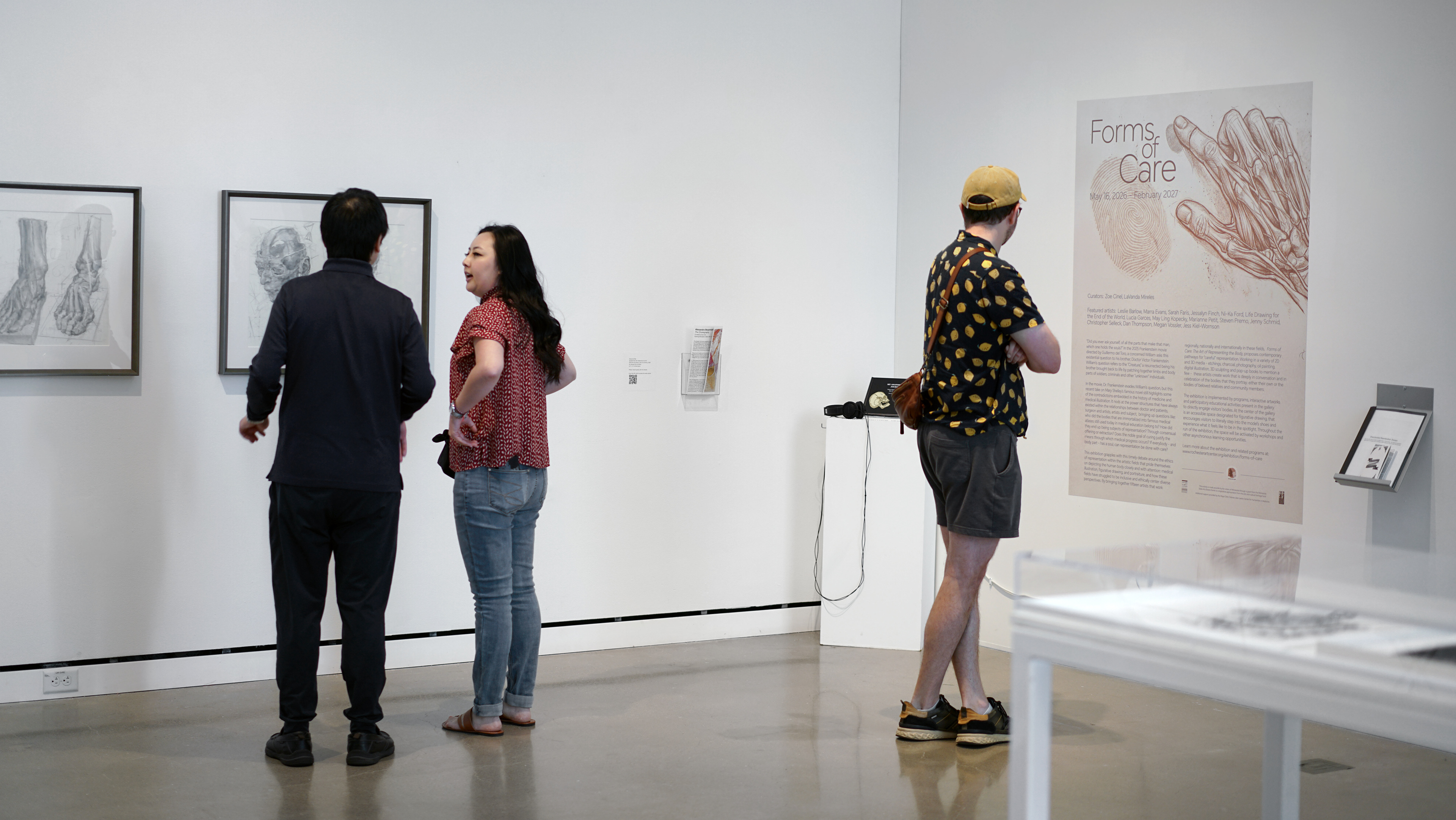
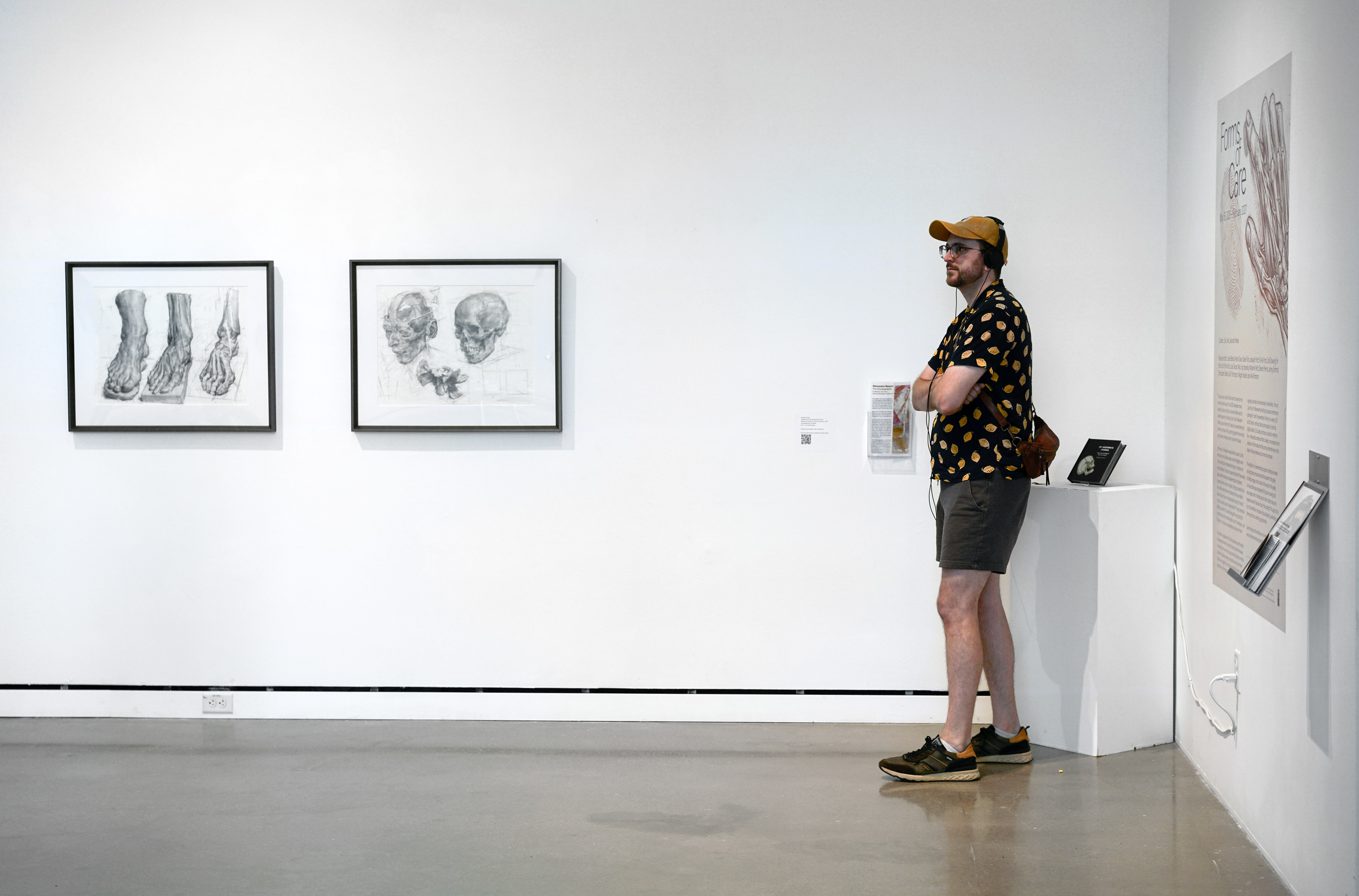
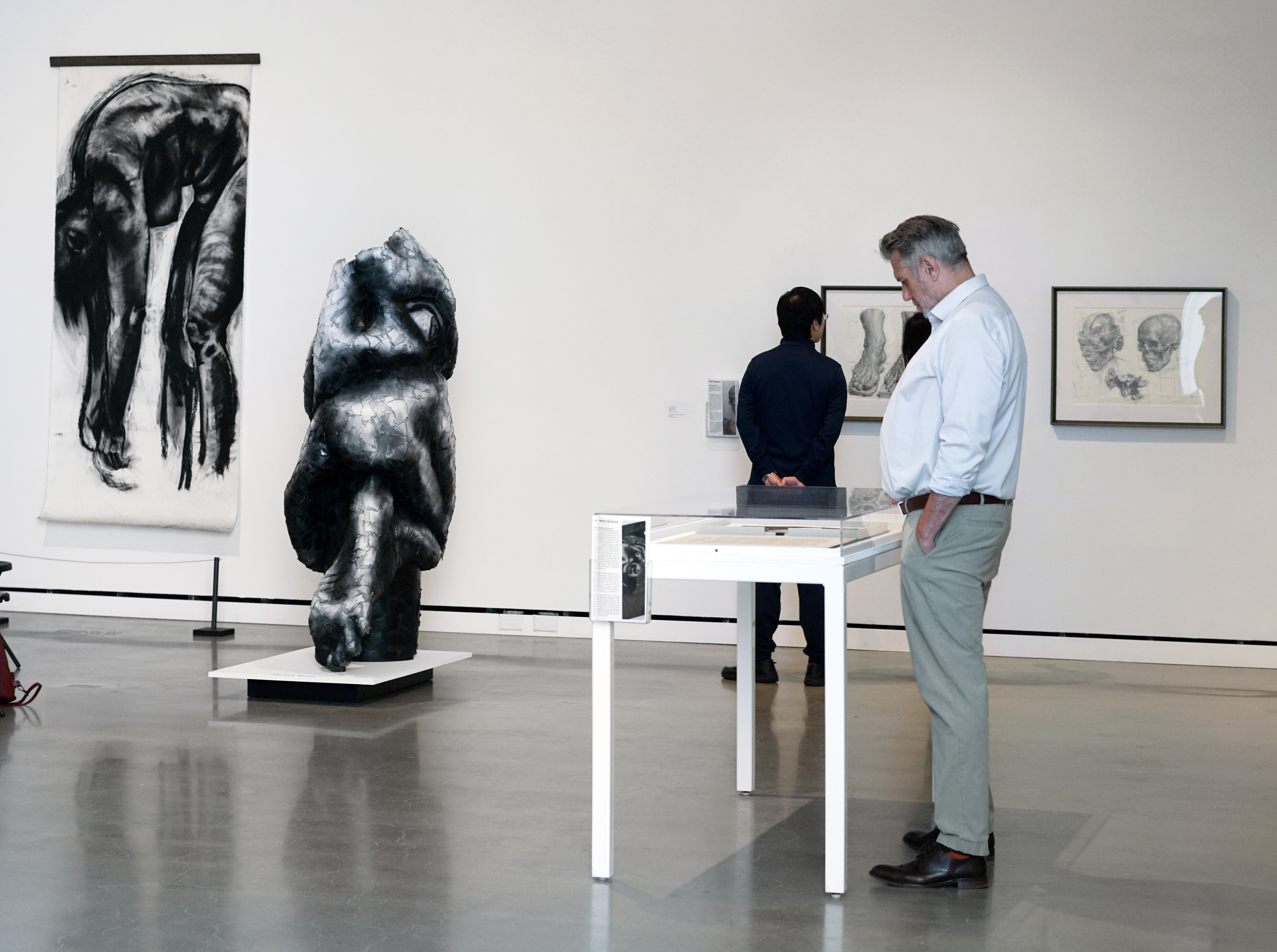
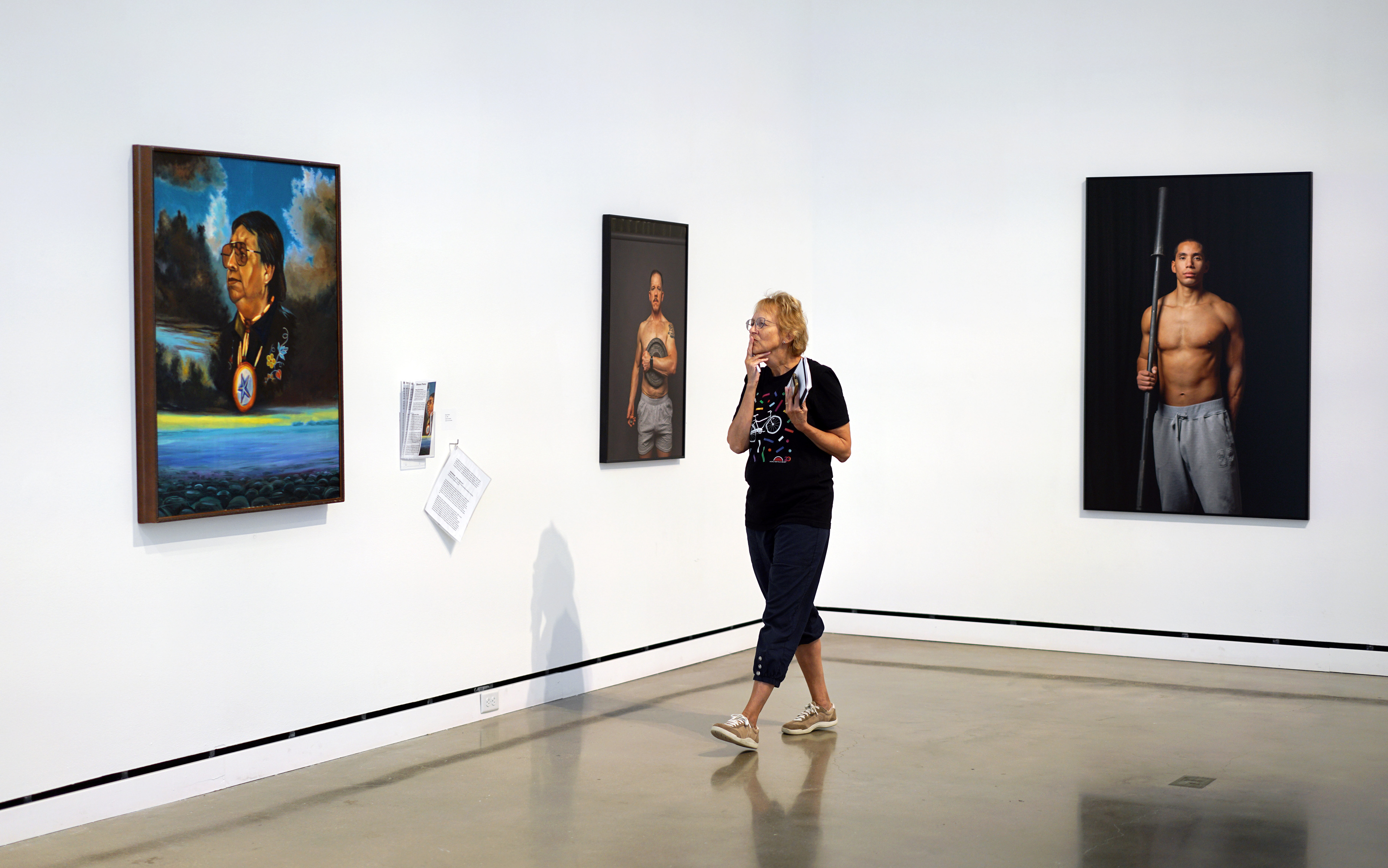
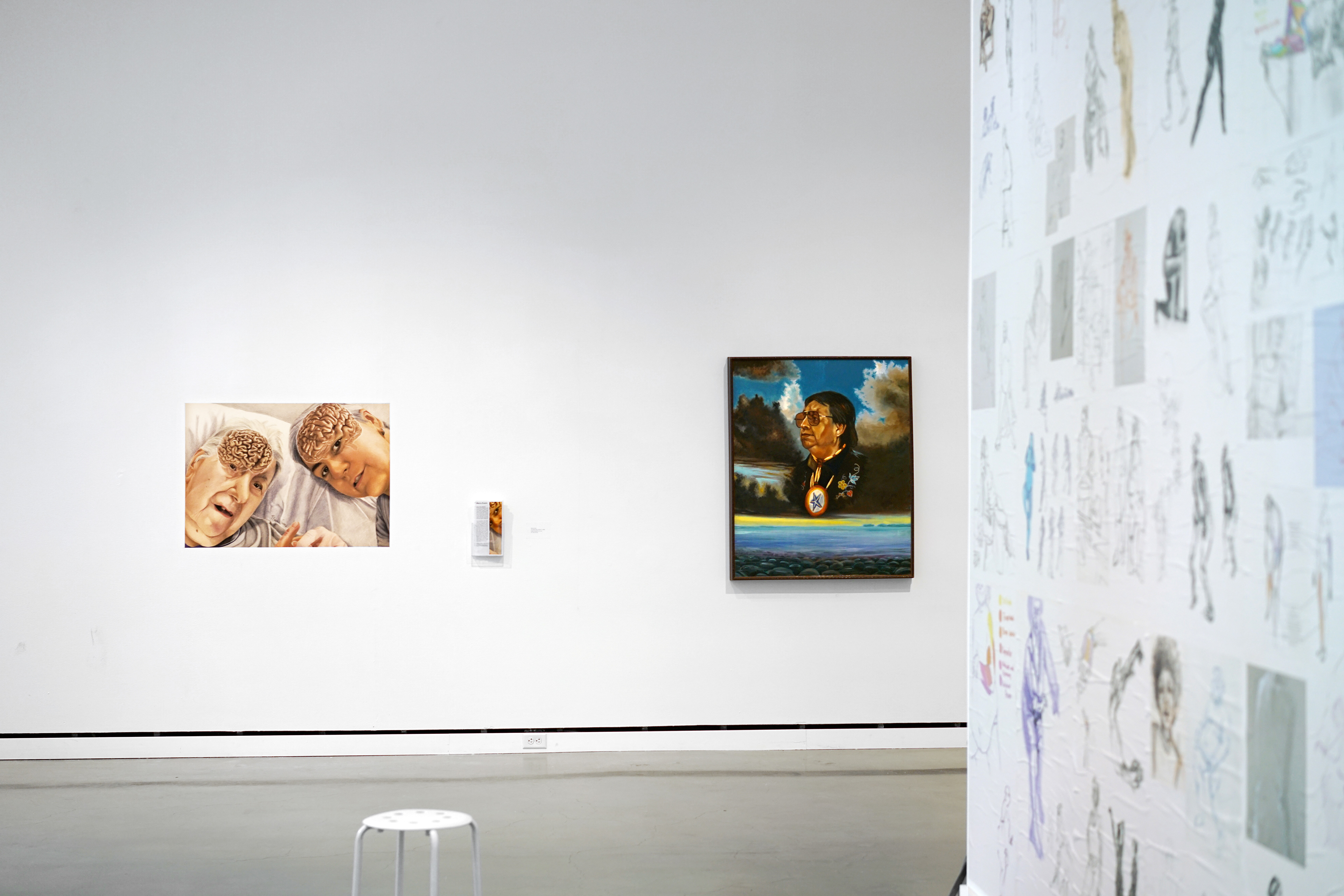
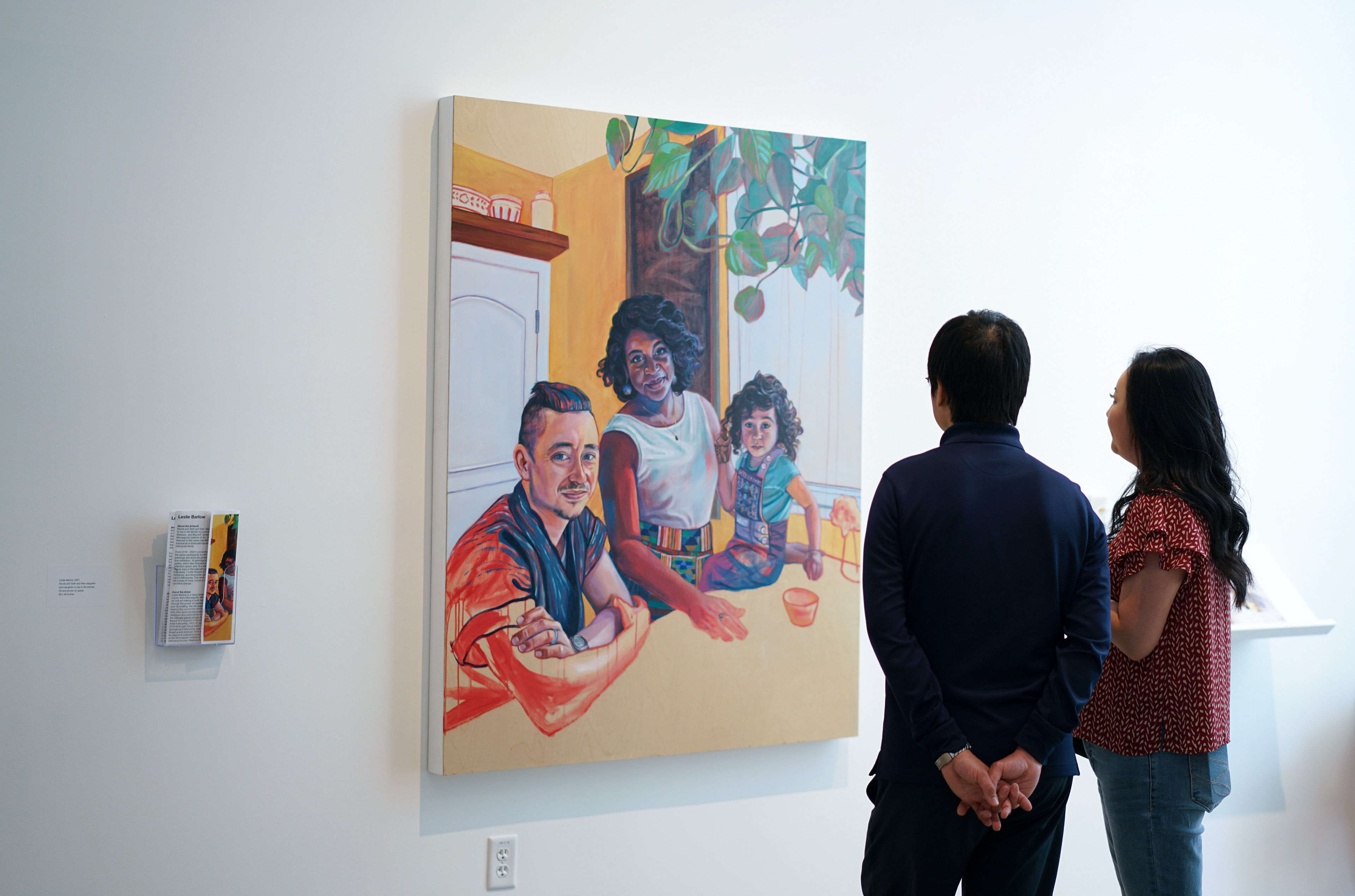
This group exhibition features care-centered contemporary artworks created within the fields of portraiture, figurative drawing, and medical illustration. These artistic representations examine the ethical complexities of representing the human body by looking at consent, power, and inclusivity.
Featured artists: Leslie Barlow, Marra Evans, Sarah Faris, Jessalyn Finch, Ni-Ka Ford, Life Drawing for the End of the World, Lucia Garces, May Ling Kopecky, Marianne Petit, Steven Premo, Jenny Schmid, Christopher Selleck, Dan Thompson, Megan Vossler, Jess Kiel-Wornson.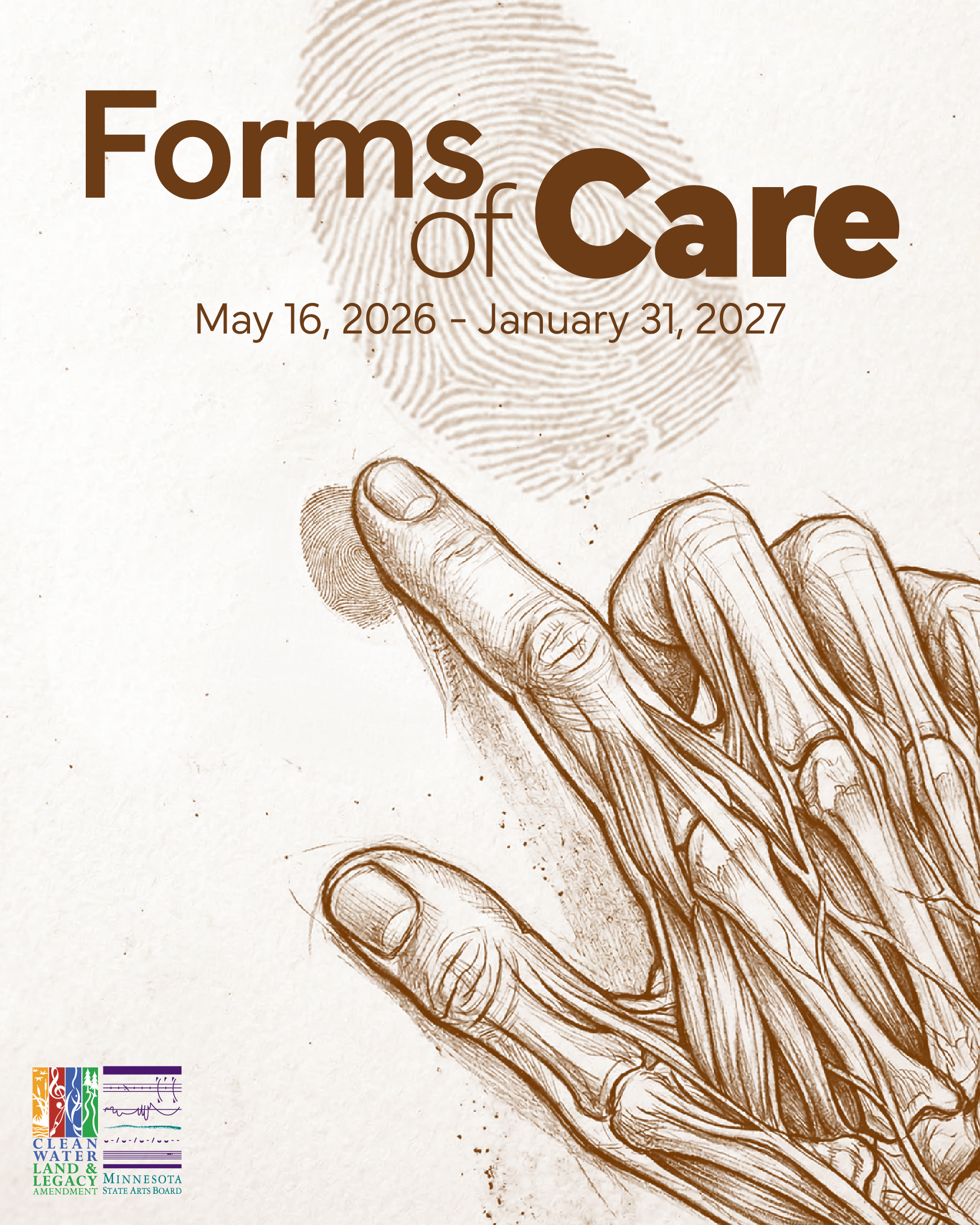
Curatorial Statement
“Did you ever ask yourself, of all the parts that make that man, which one holds the souls?”
In the 2025 Frankenstein movie directed by Guillermo del Toro, a concerned William asks this existential question to his brother, Doctor Victor Frankenstein. William’s question refers to the “Creature,” a resurrected being his brother brought back to life by patching together limbs and body parts of soldiers, criminals and other “unknown” individuals.
In the movie, Dr. Frankenstein evades William's question, but this recent take on Mary Shelley’s famous novel still highlights some of the contradictions embedded in the history of medicine and medical illustration. It nods at the power structures that have always existed within the relationships between doctor and patients, surgeon and artists, artists and subject, bringing up questions like: who did the bodies that are immortalized into famous medical atlases still used today in medical education belong to? How did they end up being subjects of representation? Through consensual offering or extraction? Does the noble goal of curing justify the means through which medical progress occurs? If everybody - and body part - has a soul, can representation be done with care?
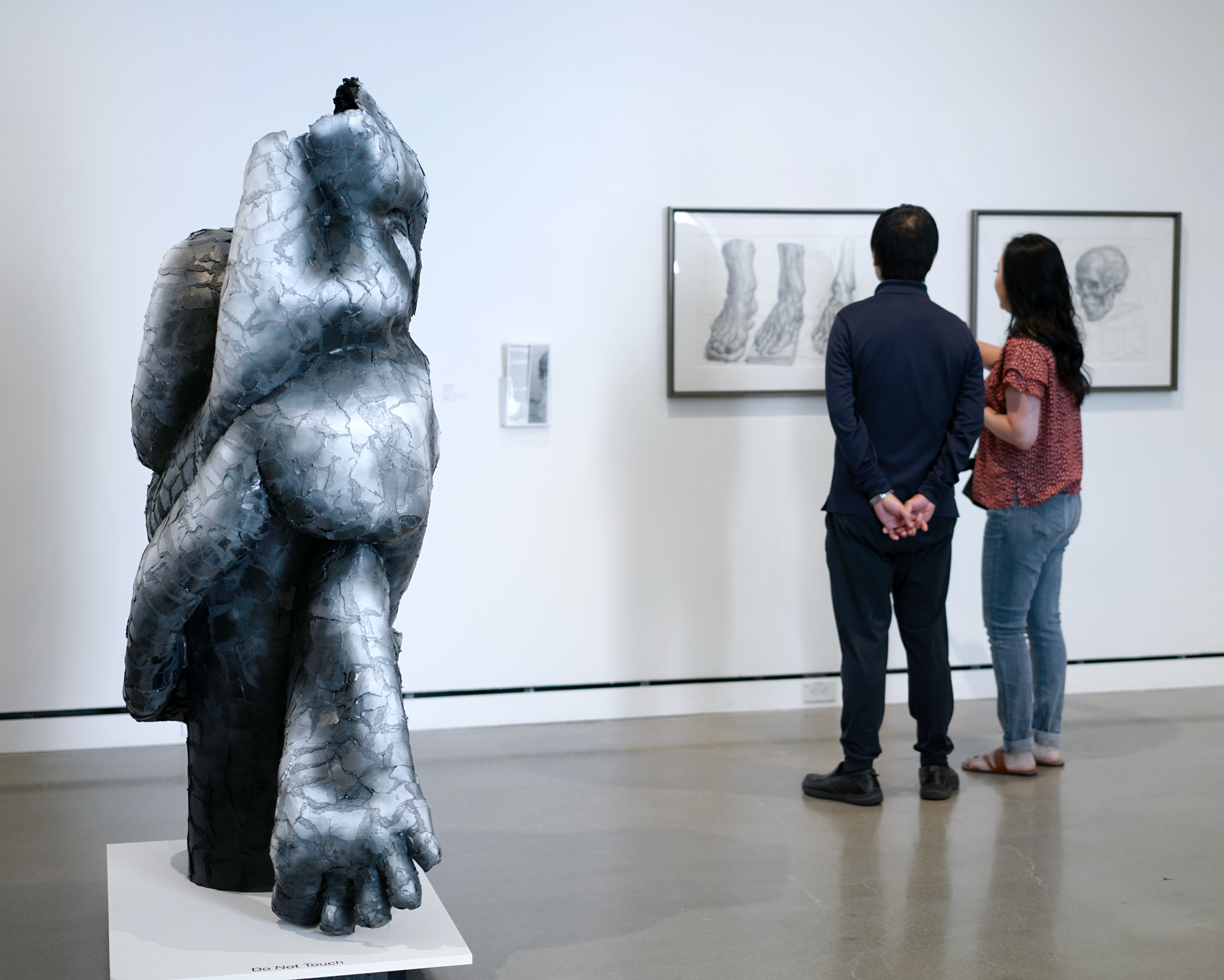
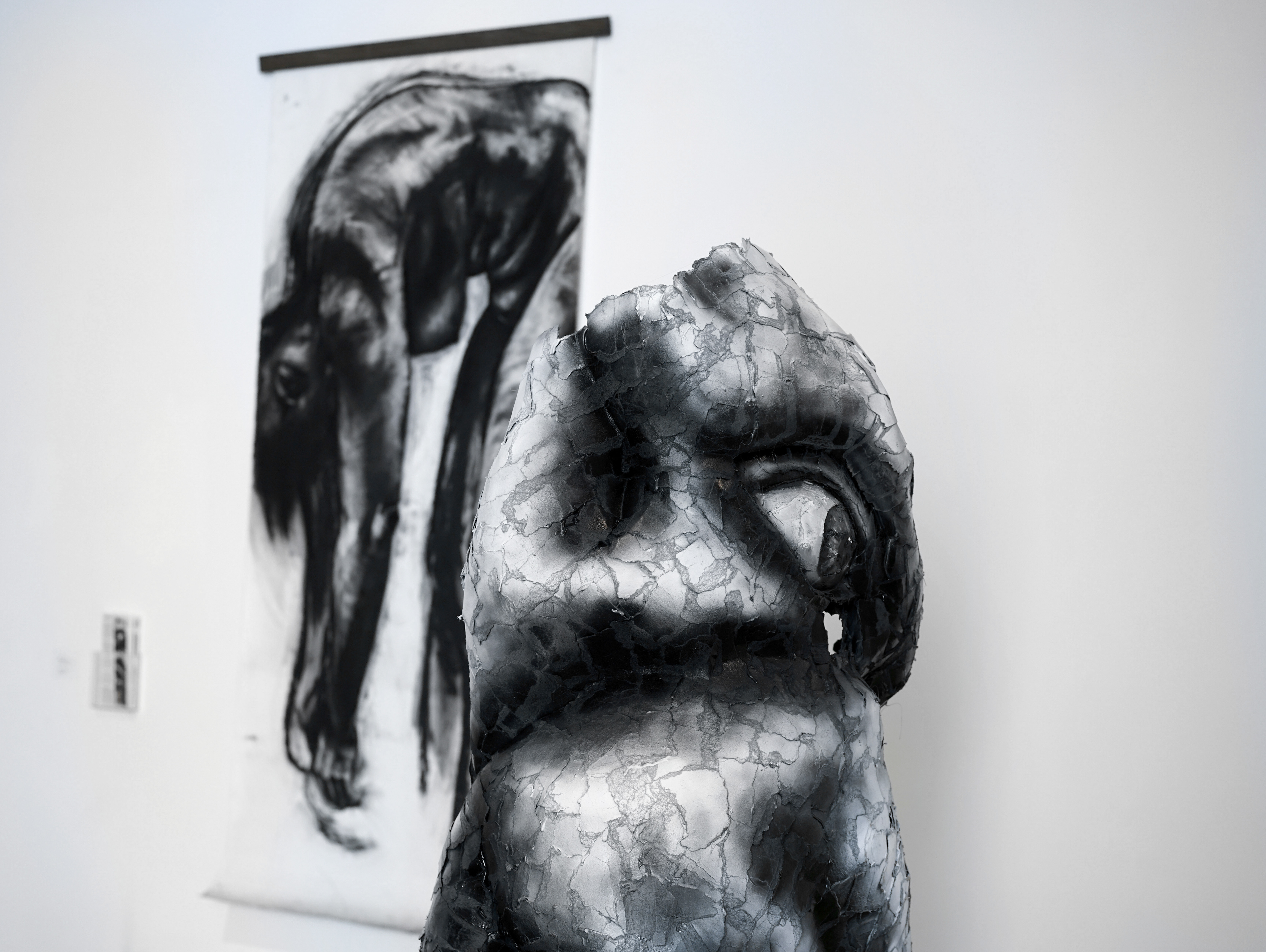
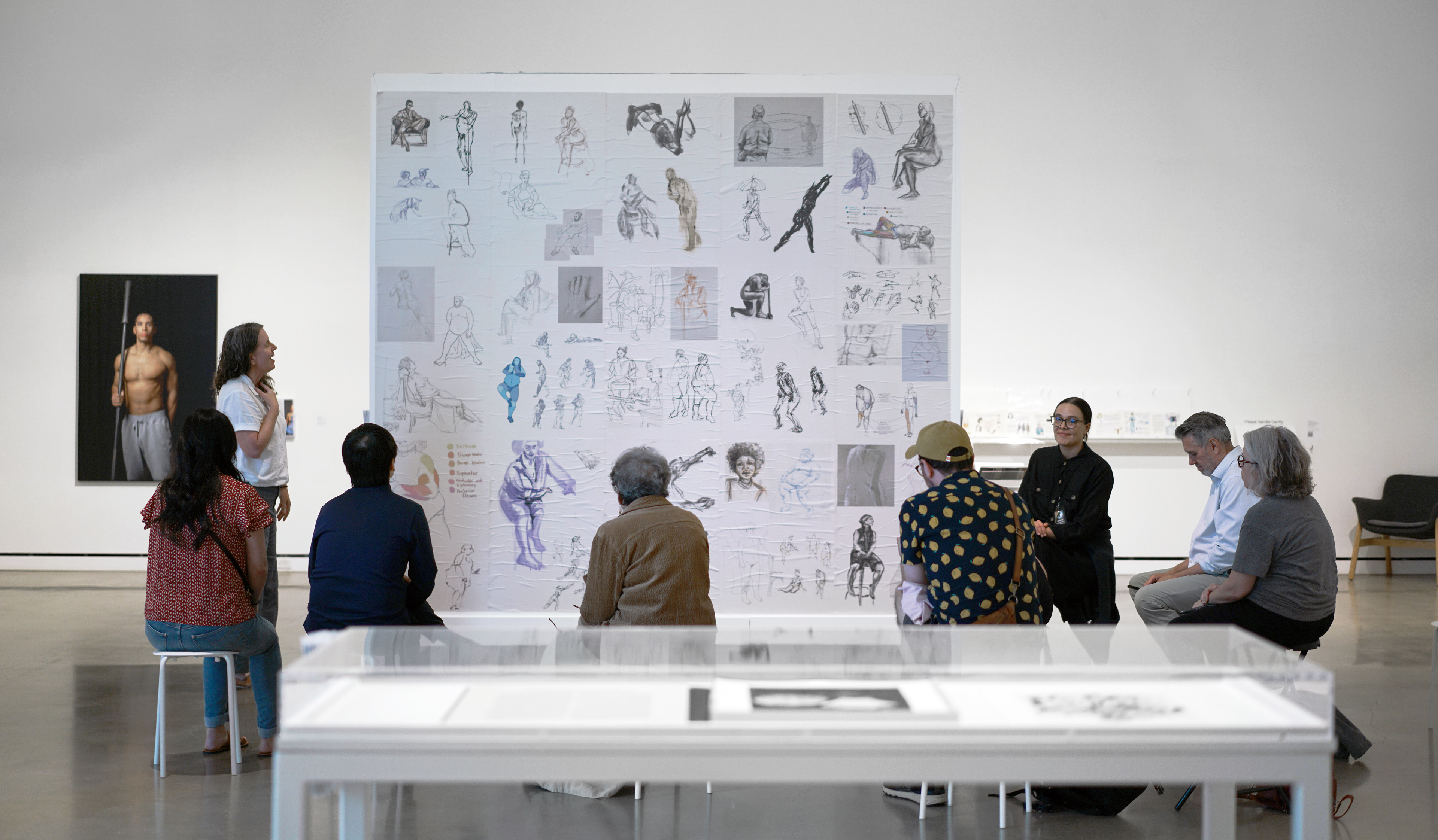
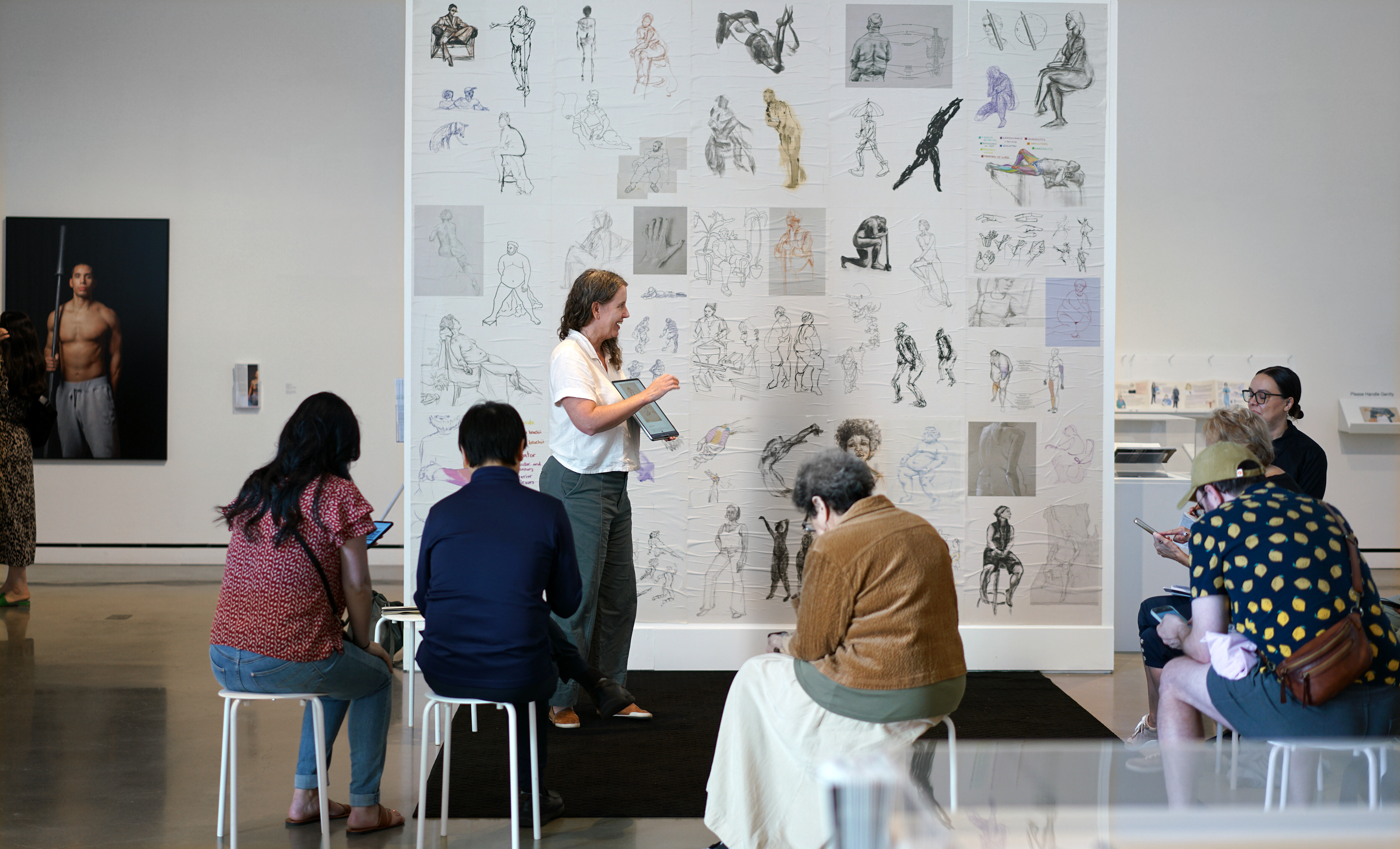
This exhibition grapples with this timely debate around the ethics of representation within the artistic fields that pride themselves on depicting the human body closely and with attention: medical illustration, figurative drawing, and portraiture, and how these fields have struggled to be inclusive and ethically center diverse perspectives. By bringing together fifteen artists that work regionally, nationally and internationally in these fields, Forms of Care: The Art of Representing the Body, proposes contemporary pathways for “careful” representation. Working in a variety of 2D and 3D media - etchings, charcoal, photography, oil painting, digital illustration, 3D sculpting and pop-up books to mention a few - these artists create work that is deeply in conversation and in celebration of the bodies that they portray: either their own or the bodies of beloved relatives and community members.
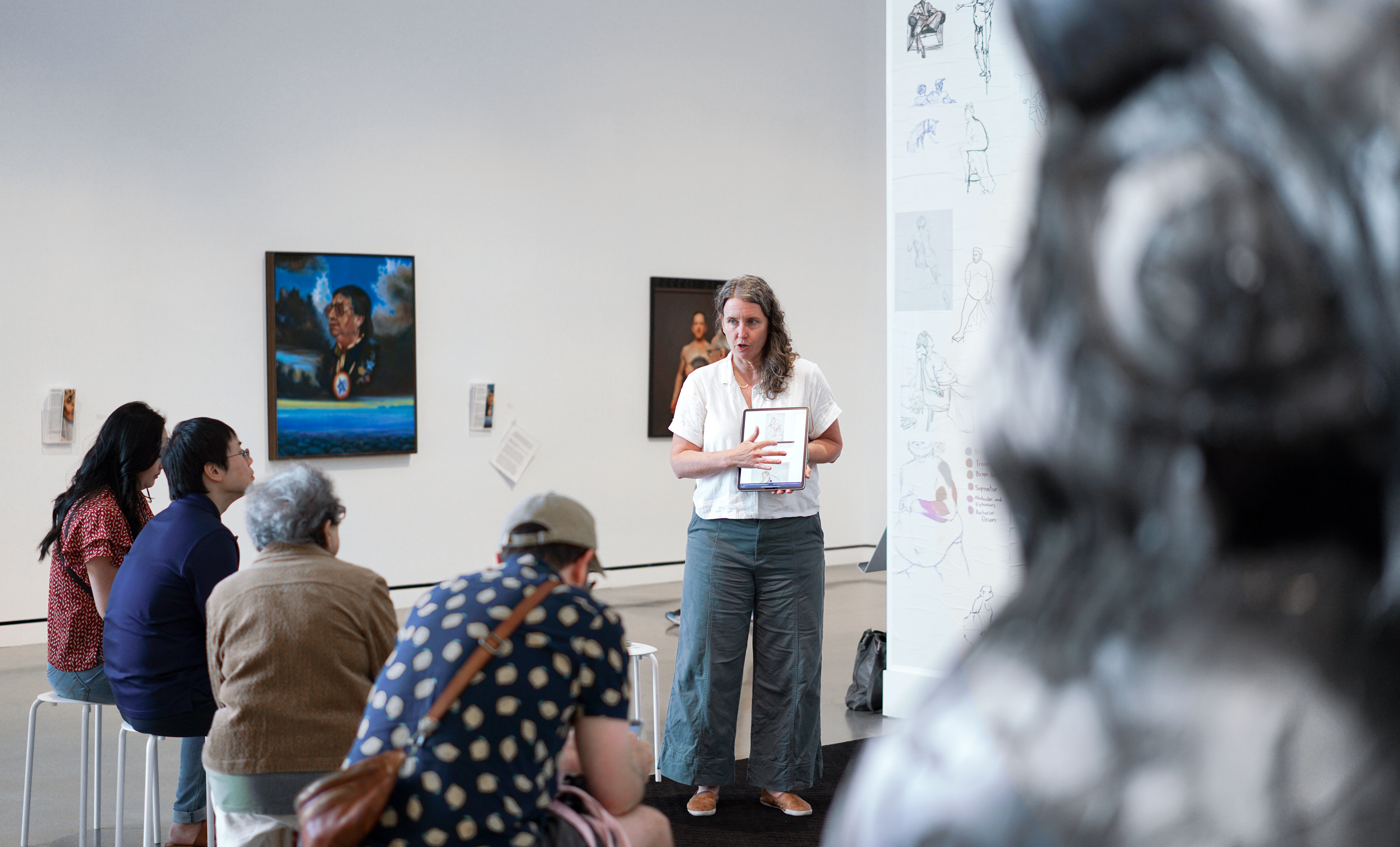
The exhibition is implemented by programs, interactive artworks and participatory educational activities present in the gallery to directly engage visitors’ bodies. At the center of the gallery is an accessible space designated for figurative drawing, that encourages visitors to literally step into the model’s shoes and experience what it feels like to be in the spotlight. Throughout the run of the exhibition, the space will be activated by workshops and other asynchronous learning opportunities.
Sponsors: This activity is made possible by the voters of Minnesota through a grant from the Minnesota State Arts Board, thanks to a legislative appropriation from the arts and cultural heritage fund.
Additional support is provided by the Mayo Clinic Dolores Jean Lavins Center for Humanities in Medicine.
Press:
here to listen to the MPR Art Hounds review by Laura Hutchinson:
Lauren Hutchinson lives in Rochester, having previously worked at the Metropolitan Museum of Art in New York City. She recently enjoyed seeing the exhibition “Forms of Care: The Art of Representing the Body” at Rochester Center for the Arts.
It’s a thought-provoking multi-artist exhibition that explores the field of medicine and its interaction with human bodies as well as the ethics of representing human bodies in medical texts. The show includes 2D work, sculptures and an opportunity for visitors to sit for portraits. It runs through January 2027.
Lauren says: It really makes you question: Can one body be used to represent an entire population of diverse individuals?
I hope lots of doctors and medical staff will get to experience the exhibition and see the creativity and artistry that's hidden behind a lot of their work.